Preventing Scoliosis: Is a Posture Corrector a Lifesaver or Just a Decoration?

When you hear “scoliosis,” many people immediately think of serious cases that require surgery. But actually, our daily posture habits are a major factor contributing to scoliosis. That’s why more and more people are turning to posture correctors, hoping to prevent or improve scoliosis. But here’s the question: do these devices really work, or are they just fancy decorations collecting dust?
Today, let’s talk about this topic and help you figure out whether a posture corrector is worth buying — especially with the newer designs that are lightweight and hardly noticeable. Do they really make a difference?
What’s the Connection Between Scoliosis and Posture Correction?
Scoliosis means your spine isn’t straight — it curves or twists to the left or right. Mild cases might not cause much trouble, but severe scoliosis can affect your body shape, cause pain, and even impact your internal organs.
Poor posture — like slouching, tilting your head, or favoring one side — is one of the main culprits that cause or worsen scoliosis. So logically, fixing these bad habits is good for your spine and helps lower the risk of developing scoliosis.
Posture Correctors: Lifesaver or Just a Fancy Gadget?
There are all kinds of posture correctors on the market — from bulky back braces to thin, almost invisible designs. Their main functions are to:
Remind you to keep good posture
Apply gentle tension to help adjust your shoulders and back
Ease muscle fatigue and discomfort caused by poor posture
So, do they actually work?
The answer is: For posture-related scoliosis caused by habitual bad posture, posture correctors can be an effective aid.
But don’t think of them as a miracle cure:
They can’t directly “fix” the bone structure of scoliosis, especially severe cases that require medical treatment.
They act more like a “posture alarm” for your body, helping you stay aware of your sitting, standing, and walking positions.
If you use them consistently along with proper exercises, they can help reduce spinal strain and prevent scoliosis from worsening.
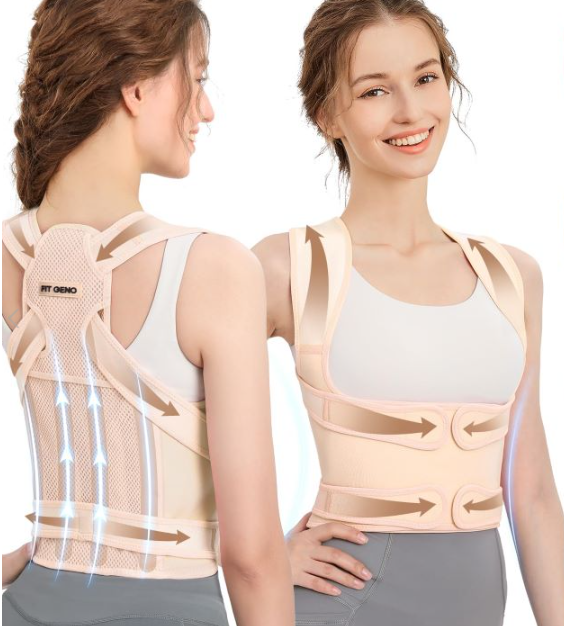
Lightweight Designs That You’ll Actually Want to Wear
Honestly, older posture correctors were bulky, uncomfortable, and very noticeable. Wearing them was awkward and many people gave up after a few days.
Nowadays, there are many lightweight, flexible, and discreet posture correctors — soft materials, adjustable, and barely visible under clothes — that have become popular choices.
Why does lightweight matter?
You’re more likely to wear it for hours or even all day if it’s comfortable.
Invisible designs mean you don’t have to worry about others noticing or feeling embarrassed.
Consistent use beats wearing it once in a while.
Can you wear a posture corrector all day?
Many wonder: “Can I wear it 24/7? The more I wear it, the better, right?”
Actually, wearing a posture corrector all day nonstop is not recommended, because:
Over-reliance can cause your back muscles to get lazy and weaken.
Prolonged friction might irritate your skin or cause allergies.
Poorly designed correctors could restrict breathing and movement.
Here’s the recommended approach:
Wear it 1–3 hours a day, especially during work or study when you need posture reminders.
Combine with back and core muscle exercises to strengthen your own support system.
Gradually reduce reliance so your body learns to hold good posture naturally.
How to Choose an Effective Posture Corrector?
Don’t just pick based on looks or price. When shopping, pay attention to:
Breathable and comfortable materials to reduce sweating and skin irritation.
Adjustability to fit different body shapes and control tension precisely.
Lightweight and discreet design for everyday wear without embarrassment.
Good user reviews to check real feedback on comfort and effectiveness.
The Lightweight, Effective, Undetectable – The Posture Corrector You’ll Actually Wear I recommend now meets all these points and is perfect for daily long-term use.
Summary: Posture Correctors Are Powerful Allies Against Scoliosis
Preventing scoliosis mainly depends on keeping good posture consistently and strengthening back muscles.
Posture correctors won’t fix scoliosis overnight, but they help you break bad habits and reduce spinal stress.
Lightweight and comfortable designs make it easier to stick with, leading to better results.
Don’t wear it all day; use it sensibly and pair with exercise for the best outcome.
If you’re thinking about trying a posture corrector to prevent scoliosis, I recommend this Lightweight, Effective, Undetectable – The Posture Corrector You’ll Actually Wear. Give your spine some extra care — stand tall and say goodbye to scoliosis worries!