Protect Your Spine: How to Choose the Right Lower Back Posture Corrector

Nowadays, we spend most of our time sitting—either staring at a computer screen or lounging at home watching TV. Back and waist pain has become a common issue. Do you often feel sore in your lower back, find it hard to sit still, or struggle to stand up straight? If yes, then a lower back posture corrector might just be what you need.
But do posture correctors really work? And how do you choose the right one? Don’t worry—we’re breaking it all down today. Plus, I’ll share a great adjustable lower back posture corrector that’s made my life a lot more comfortable and upright.
Do back posture correctors work? Here’s the Truth
A lot of people wonder, “Does wearing one of these things actually fix your posture? Or is it just a scam?”
Well, research has shown that when used properly, posture correctors can definitely help improve your posture, especially for these types of people:
Office workers who sit for long hours and develop poor posture, putting pressure on the lower spine.
People with a hunched back, whose slouched posture can lead to spinal problems and lower confidence.
Those recovering from injuries or surgery, who need gentle support for their back while healing.
New gym-goers, who need extra help to maintain proper form during exercises like squats or deadlifts.
Of course, a posture corrector isn’t a magic solution. It’s more like a reminder and support tool—helping your muscles develop memory of good posture over time.
How to Choose the Right Lower Back Posture Corrector: Key Points to Look For
1. Proper Support Area – Target the Lower Back
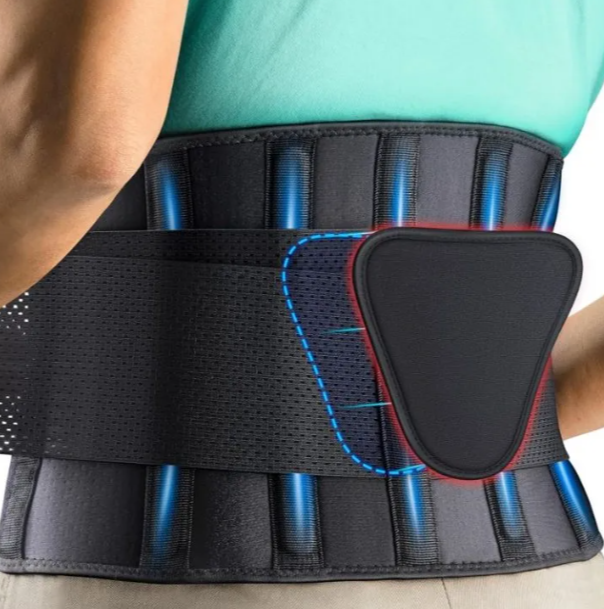
Many “full-back” posture correctors look impressive but actually don’t give enough support to the lower back. What you really want is a design that targets the lower lumbar area (L3–L5) to relieve pressure and discomfort.
Look for correctors that are shaped to fit the natural curve of the lower spine. For example, this adjustable posture corrector – comfortable back support has an ergonomic design that supports the exact area where you need it—without putting pressure on your shoulders or upper back.
2. Adjustability – One Size Doesn’t Fit All
Everyone’s body is different, so a “one-style-fits-all” approach just doesn’t cut it. A good posture corrector should allow you to adjust the tightness, strap length, and angle of support.
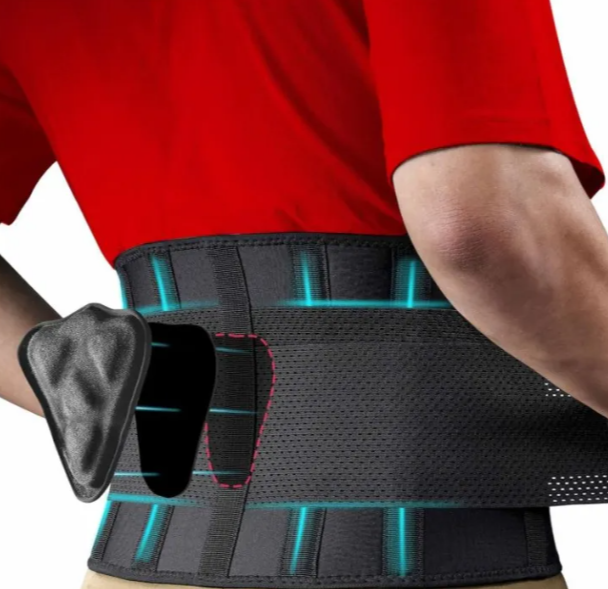
The one I’m recommending features Velcro straps, stretchable fabric, and a dual-zone adjustment system, so you can customize it to your body whether you’re sitting, standing, or walking.
3. Comfort Is Key – If It’s Not Comfortable, You Won’t Wear It
Even the best support won’t help if it’s painful or awkward to wear. So check for:
Breathable fabric that keeps you cool
A snug but non-restrictive fit
Easy to wear and remove, with no rolling or digging in
This adjustable posture corrector – comfortable back support uses lightweight, soft elastic fabric that’s super breathable and includes anti-roll features and hidden fasteners. I can wear it all day without irritation.
Tips for Using Your Posture Corrector the Right Way
Buying one is just the first step—you also need to use it properly:
Wear it 1–2 hours a day, no need to overdo it.
Pair it with back stretches and core exercises to build muscle memory.
Don’t expect instant results—it’s a gradual support tool, not a miracle fix.
Stick with it, and over time you’ll notice your body adapting to better posture—even when you’re not wearing the corrector.
Final Thoughts: A Healthy Spine Needs Tools + Consistency
Choosing the right lower back posture corrector is a great way to support your spinal health. It won’t instantly make you stand like a soldier, but it will help you build good posture habits and relieve back tension.
If you want something that’s adjustable, comfortable, and offers just the right amount of support, I highly recommend trying this adjustable posture corrector – comfortable back support . It’s helped me feel more upright and at ease every day.