
In the past, parents were most worried about grades. But now, more and more parents realize that good posture is more important than good grades—because posture will stay with their child for a lifetime. Especially during adolescence, long hours of sitting in class, doing homework, and looking down at phones often lead to slouching, rounded shoulders, and even early neck problems.
That’s why “posture management” has become a hot topic among parents today. And it’s not just about looking good—it’s about confidence, health, and long-term growth. So, how can we help teens protect their posture? Let’s talk about it.
Why is posture management so important for teens?
Growth stage matters: Teens’ spines, muscles, and bones are still developing.
Habits last a lifetime: Poor posture at this stage (like slouching) will be harder to fix as adults.
Health risks: Bad posture may cause early wear on the neck and spine, even affecting breathing and digestion.
Confidence & impression: Standing tall vs. slouching makes a huge difference. Many kids lose confidence simply because of poor posture.
In short, posture management isn’t a luxury—it’s a must-have for healthy growth.
Common posture problems among teens
If you look closely, you’ll notice some common issues in kids:
Rounded shoulders & slouching: Heavy backpacks and long hours of homework.
Collapsed chest: Lack of exercise weakens back and chest muscles.
Forward head tilt: A classic “phone posture.”
Pelvic tilt: Sitting too long with poor habits causes uneven spinal pressure.
These “small problems” can actually affect development, health, and overall image.
How to prevent slouching during growth?
Here are simple, effective methods parents can start today:
Stretching & exercise: Shoulder stretches, chest openers, planks—all improve posture and core strength.
Limit screen time: Control how long kids spend on phones/tablets.
Proper backpack & furniture: Lighter backpacks and desks/chairs that match their height.
Posture awareness: Teach kids to sit/stand tall naturally—not stiff, but confident.
Remember: posture comes from habit-building, not one-time effort.
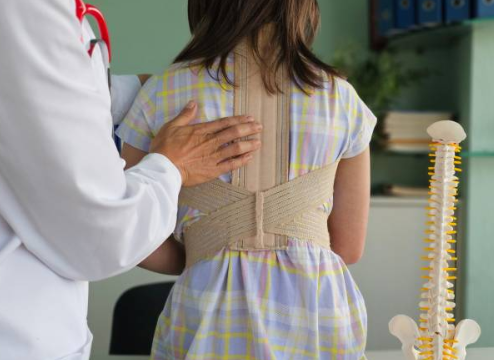
Can posture correctors really help?
Many parents ask: “My kid already slouches. Should they wear a posture corrector?”
The answer: Yes, but only as a helper, not a cure-all.
A posture corrector works like a gentle reminder—it lightly pulls the shoulders back when slouching, helping the body form better posture memory.
It’s not about “forcing” the body, but guiding it. When choosing one, look for:
Comfortable, breathable, and adjustable designs.
Youth-friendly sizing that avoids too much tightness.
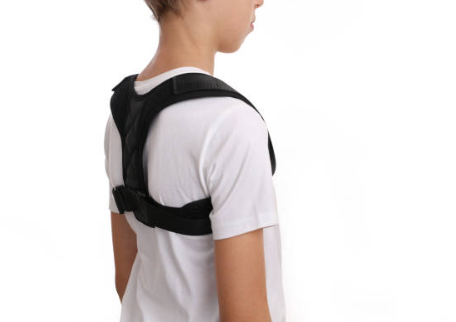
Lightweight, effective, and barely noticeable posture correctors are the best choice. For example, one with dual-strap balance, ergonomic spinal support, and breathable 3D mesh can gently correct slouching, ease shoulder/neck/back pain, and help teens stay upright and confident—even at school, without anyone noticing.
How long to wear posture corrector?
This is the #1 question from parents. The truth is, it’s a gradual process:
Early stage: Start with 20–30 minutes per day.
Adjustment stage: Extend to 1–2 hours, mainly during study or screen time.
Long-term goal: Don’t wear it all day. The goal is for kids to develop natural upright posture without relying on it.
So, it’s not about “the longer, the better”—it’s about combining it with exercise and habit training.
The parents’ role in posture management
Posture management is not just the child’s job—parents matter a lot too:
Supportive reminders: Instead of nagging, use games or exercises together.
Positive reinforcement: Praise “confident and tall” rather than labeling “slouchy” or “ugly.”
Be the role model: Kids follow what parents do, not just what they say.

Create a positive posture culture
Teens are sensitive, and posture can easily tie into self-esteem. That’s why both home and school should foster a positive environment:
At home: Have “look up breaks” where everyone stretches together.
At school: Teachers can add quick posture drills for the whole class.
In social settings: Compliment confident posture instead of criticizing slouching.
This way, kids begin to see good posture as their strength, not their flaw.
Conclusion: Posture is your child’s silent business card
From the beginning, we said posture is the new focus for parents. And now, it’s clear: teen posture management is about health and confidence—not just looking good in photos.
A posture corrector can help, but good habits and parental support are the real foundation. Start small:
Begin with 20 minutes a day.
Add simple stretches together.
Use a lightweight, effective, and discreet posture corrector so your child can wear it at school without stress.
If you’re worried about your child’s posture, the best time to act is now.
Help them stretch, guide them gently, or try a posture corrector that truly works.
Because standing tall today means walking confidently into their future.