The Posture Crisis of the Screen Generation: How Technology Makes Us Slouch Without Noticing

Have you noticed how you’ve become more and more glued to your phone and computer? Whether it’s working on a laptop, scrolling on your phone during the commute, or watching TV at home — we’re basically “looking down” all day long.
Over time, your neck leans forward, shoulders slump, your back rounds… These subtle changes add up to what we call a posture crisis.
Don’t underestimate slouching — it’s not just about appearance, it’s also closely tied to health problems. Today, let’s dive into why screens make us so dependent, and what we can actually do about it.
1. Looking Down at Your Phone = Double the Neck Pressure
Our most familiar posture is leaning the head forward and looking down at the screen. It feels easy, but the pressure on your neck is way heavier than you think.
Studies show: when your head tilts forward 15 degrees, your neck feels about 12 kg (26 lbs) of pressure. At 60 degrees, it’s like carrying 27 kg (60 lbs).
Staying like this for long hours leads to tech neck, shoulder stiffness, and even poor sleep quality.
Next time you scroll, try holding your phone higher. Don’t make your neck do all the heavy lifting.
2. Office Sitting = A Rounder Back Over Time
Do you often sit at your desk for hours without moving? You might start off sitting upright, but before you know it, you’re slumped into your chair, back rounded.
When sitting too long, your core muscles go into “vacation mode” and stop supporting your spine.
Over time, this weakens your back muscles, making slouching worse.
Small fixes:
Get up and move every 45 minutes.
Avoid chairs that are too soft, and remind yourself to sit tall.
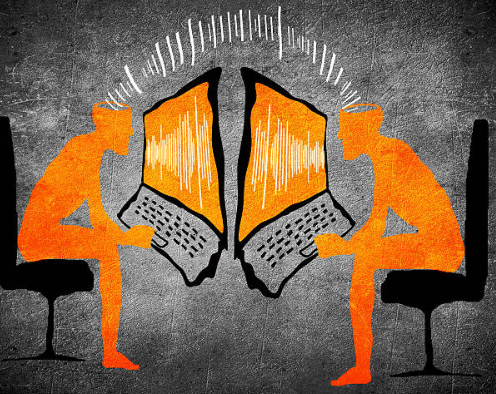
3. Screen Culture = The Invisible Accomplice of Slouching
Slouching isn’t just about the body, it’s also tied to the culture of screens.
Immersion: Gaming or binge-watching makes us unconsciously lean closer.
Productivity illusion: At work, leaning forward feels “focused” — but your neck and shoulders pay the price.
Social dependence: Endless chatting and scrolling trends keep us stuck in head-down posture.
In other words, technology and habit are “co-conspirators” making bad posture the new normal.
4. Posture Shapes First Impressions
Slouching doesn’t just affect your health — it also impacts how others see you.
Standing tall makes you look more confident and energized.
Slouching makes you look tired, careless, or even insecure.
Remember: posture is your silent business card.

5. The Long-Term Health Risks Are Bigger Than You Think
Slouching isn’t just a cosmetic issue — it slowly affects your entire body system.
Breathing: A rounded chest limits lung capacity, making breathing shallow.
Digestion: Compressed organs mean poor appetite and slower digestion.
Mood: Studies show slouchers are more prone to stress, anxiety, and low mood.
Posture may look like a “small issue,” but it touches every aspect of health.
6. Practical Fixes You Can Try Right Now
Don’t worry — the posture crisis isn’t permanent. Here’s where to start:
Stretch & strengthen: Shoulder stretches and core training rebuild support.
Work setup: Keep your screen at eye level to avoid constant looking down.
Support tools: Ergonomic chairs, standing desks, or a lightweight posture corrector can gently remind you to stay upright.
Small habits add up — your posture will naturally improve over time.
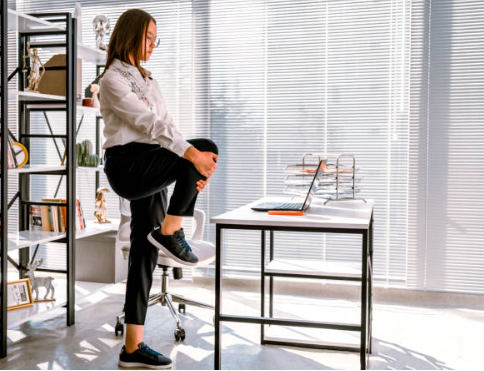
7. So, Do back posture correctors work?
A common question: “If I wear a posture corrector, will it fix my slouch?”
The short answer: it helps, but it’s not a magic cure.
How it works: A posture corrector gently pulls your shoulders back, training your body to stay upright. It’s more of a “reminder” than a permanent fix.
Who it’s for: Office workers, people with early signs of hunchback, and fitness enthusiasts who want better posture.
Limits: If you rely only on the device and never train your back/core, results won’t last. Think of it like braces for teeth — useful, but only part of the solution.
The best combo: correct sitting + regular breaks + stretching/back training + posture corrector.
Final Takeaway: Don’t Let Screens Steal Your Posture
Screens make life easier, but they’re also reshaping our bodies in unhealthy ways. Slouching, hunching, leaning forward — they seem harmless, but over time, they damage both health and confidence.
The good news: posture can be fixed. Start with small daily changes, and add smart support like an all-day wear posture corrector – unisex crisscross design. Over time, your body will naturally learn better alignment.
Remember: Technology can’t take care of your body. The power to change is always in your hands.