The “Text Neck” Era: How Phones and Computers Affect Your Spine Health

Nowadays, phones and computers have become inseparable companions in our daily lives. Whether for work or entertainment, we spend more and more time in front of screens. But did you know these devices could quietly harm your spine?
Today, let’s talk about how phones and computers impact your spine in this “text neck” era, and how you can protect yourself.
1. What is the “Text Neck” Phenomenon? Why Are We All Part of It?
You’ve probably heard the term “text neck” — it refers to people constantly looking down at their phones, tablets, or computer screens. Whether you’re scrolling Weibo on the subway or typing away at your desk, your head is always leaning forward and your neck unknowingly bends.
Here’s a not-so-great fact: a human head weighs about 4 to 5 kilograms. When you tilt your head forward, the pressure on your neck increases dramatically. At a 15-degree tilt, your cervical spine carries the equivalent of 12 kilograms, and at 30 degrees, it’s like carrying 18 kilograms! Imagine your neck bearing such a heavy load every day.
2. The Burden of Looking Down: More Than Just Neck Pain
Many people think neck and shoulder pain are minor issues, but holding this posture for long can cause serious spine problems:
Straightened cervical spine: Prolonged looking down can flatten or even reverse the natural curve of your neck, causing “straight neck syndrome.”
Tight shoulder and neck muscles: Constant muscle tension leads to stiffness, soreness, and sometimes headaches.
Spine joint aging: Uneven stress speeds up joint wear and causes chronic pain.
Poor breathing and fatigue: Leaning forward compresses the chest, restricting lung expansion, leading to shallow breathing, tiredness, and difficulty concentrating.
So bad posture isn’t just about looks — it seriously affects your health.
3. The “Invisible” Health Risks in the Digital Age
Phones and computers bring undeniable convenience, but they also make us “addicted” — constantly checking our phones, endlessly scrolling, or staring at screens for hours. Over time, “looking down” becomes a subconscious habit.
The problem is, posture issues don’t cause immediate pain like a cold; they build up slowly until pain or dysfunction forces you to notice.
Even young people are increasingly suffering from neck problems. Hunchbacks and rounded shoulders are common among teenagers now, putting them at risk for spinal diseases earlier in life.

4. How to Improve? 5 Simple and Practical Spine Protection Tips
So, what can you do? Don’t worry — here are some easy and effective posture tips:
- Adjust screen height
Set your computer screen at eye level and raise your phone to avoid looking down for long periods. Try to hold your phone above chest level. - Take regular breaks
Every 30-50 minutes, stand up for 1-2 minutes and do some simple spine stretches to relieve pressure. - Practice proper sitting posture
Sit with your back straight, shoulders relaxed, and feet flat on the floor. Avoid leaning forward or shrugging your shoulders. - Use assistive tools
Posture correctors can remind you to keep the right posture, reduce time spent looking down, and help adjust your spine curve. - Strengthen your back muscles
Do exercises targeting your back and core muscles to improve spinal support and maintain a natural upright posture.
5. Build Good Habits to Make Your Spine “Last Longer”
Protecting your spine depends on consistent good habits. Try to integrate these tips into your daily routine, and reduce the two biggest posture risks: long sitting and looking down.
Also, pay attention to your diet and rest to avoid “overdrafting” your spine. Occasional professional therapy or massage can help relieve long-term tension and fatigue.
Combining these with posture correctors can also help you stay mindful of your posture.
6.Are posture correctors safe?
Many people ask, “Are posture correctors safe? Will they cause discomfort or even hurt my spine?”
The answer is: as long as you choose a well-designed product and wear it properly, posture correctors are safe.
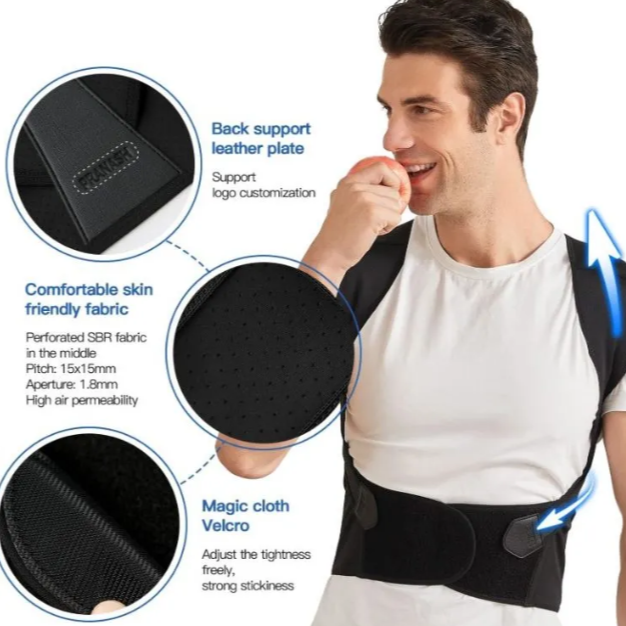
Ergonomic designs reduce pressure: Good correctors use ergonomic principles to distribute pressure evenly and are comfortable and breathable.
Aid awareness, not forceful correction: Their role is to help you become aware of bad posture and gradually adjust, not forcibly straighten your spine.
Avoid overdependence: Don’t wear them 24/7 — your muscles still need to work and support your spine naturally.
For example, this All-Day Wear Posture Corrector – Unisex Crisscross Design helps your entire back naturally settle into the right position, reducing stress on your spine and shoulders.
Summary
Phones and computers make life more convenient but also bring health challenges. Don’t let the “text neck” label weigh down your spine — adjust your posture, build good habits, and your spine will thank you. Starting today, hold your head high and chest out — it’s not just for looks, but for your health!