Confidence Comes from Posture: Why Good Posture Boosts Your Presence

Many people think confidence comes from appearance, outfits, or speaking skills. But in fact, what often gets overlooked is posture—and it’s the key to your aura. Think about it: someone slouching versus someone standing tall—don’t they leave a completely different first impression?
Today, let’s talk about why good posture can boost confidence, how to improve it with simple habits, and also answer one of the most common questions: “Is a posture corrector harmful?”
1. Why Does Posture Affect Your Presence?
First impressions are posture-driven
When you interact with people, your posture is noticed before your words. Slouching or looking down can make you seem tired or unmotivated. But standing tall with shoulders back and head up instantly makes you look more confident.
Mind and body influence each other
Psychological studies show that standing tall with an open chest actually helps your body release more confidence-related hormones, which can even affect how strong and steady your voice sounds.
Good posture = a symbol of health
Energy and vitality are naturally attractive. A person with upright posture looks healthier and more reliable—traits people naturally associate with confidence.
2. Common Posture Mistakes (Do You Recognize Yourself?)
Slouching shoulders: Constantly looking down at your phone or hunching over a desk pushes shoulders forward.
Forward head posture: Also called “tech neck” or “turtle neck”—not only unattractive, but also stressful for your spine.
Overarched lower back: Standing or sitting incorrectly for long hours causes the lower back to curve too much.
Collapsed chest: Makes the body look “shrunk in,” giving off insecure vibes.
And these poor postures don’t just look bad—they also cause neck, shoulder, and back pain over time.
3. What Can Good Posture Do for You?
Boost self-confidence
Lifting your chest and aligning your shoulders instantly makes you feel more assured.
Improve communication
A straight stance paired with eye contact makes others trust you more easily.
Enhance performance
Whether in meetings, presentations, or job interviews, good posture makes you appear more professional.
Long-term health benefits
It reduces stress on the neck, shoulders, and spine, making daily activities easier and less tiring.
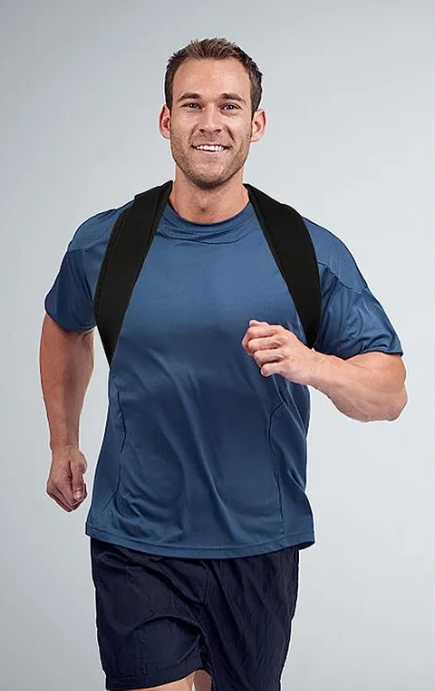
4. Can a Posture Corrector Help?
A common question: “Are posture correctors bad for you?”
The answer: Not if used correctly—but you shouldn’t rely on it 100%.
✅ Benefits:
Keeps you mindful of your posture, reminding you to pull your shoulders back.
Provides support during long hours of work or study.
Great as an entry-level tool when starting to fix your posture.
Things to watch out for:
Over-reliance can weaken muscles since your body “outsources” the support.
Wrong fit or too much pressure can affect blood circulation.
It should always be combined with stretching and core training for lasting results.
In short: A posture corrector isn’t “harmful.” The key is using it wisely.
5. Practical Tips to Improve Posture
Remind yourself anytime
When walking or sitting, quietly repeat in your head: “Relax shoulders, keep back straight, chin tucked slightly.”
Adjust your workspace
Raise your computer screen to eye level to reduce looking down.
Strengthen your core & back
Exercises like planks and back extensions train the muscles that hold you upright.
Stretch regularly
Spend 5 minutes daily stretching your neck, shoulders, and back to release stiffness.
Take it step by step
Don’t force perfect posture all day at once. Start with 10 minutes a day, then increase gradually.
You can also use a lightweight, invisible posture corrector to support your efforts—it makes the process easier and more effective.

6. Posture Tips for Different Situations
At the desk: Sit fully back in the chair, keep lower back supported, feet flat on the ground.
Walking: Take light steps, shoulders open, eyes forward.
Exercising: Engage your core, avoid overarching or collapsing.
Social settings: Pair a smile with tall posture—you’ll instantly seem more approachable.
7. Final Thoughts: Standing Tall Is the Simplest Confidence Hack
Confidence doesn’t always come from looks or big words—it shows up in your everyday posture. Standing tall makes you look more energized, sound more convincing, and move more powerfully.
If you’re just starting your posture journey, try using a discreet posture corrector for support—but always pair it with habit changes and muscle training.
Remember: tools are reminders, but confidence comes from consistent practice. Next time you walk into the office, gym, or a social event, stand tall and relax your shoulders—you’ll notice your presence feels completely different.