Walk with More Confidence, Look Better in Photos — Shape Your Posture in Spare Moments

When you scroll through your feed or watch short videos, have you noticed how some people just look elegant, whether they’re standing or walking?
The truth is, it’s usually not because of a perfect bone structure — it’s because they have great posture.
Here’s the good news: you don’t have to spend hours in a yoga studio or gym. Just 5–10 minutes a day, using tiny pockets of free time, can quietly improve your posture.
Today, let’s talk about how to use those spare moments to shape your posture — and whether posture correctors can really help.
1. Can posture training in spare moments really work?
A lot of us have posture issues like rounded shoulders, slouching, or a hunched back — often caused by hours spent on computers or looking down at our phones.
But here’s the thing: posture problems can be fixed gradually through small habits.
For example:
At work, stand against a wall for one minute, making sure your head, shoulders, and hips all touch the wall.
While waiting for coffee, do a “shoulder blade squeeze” — pull your shoulders back and open your chest.
When brushing your teeth, keep your spine long and your chin slightly tucked in.
These moves may look simple, but if you stick with them, your shoulders will naturally open up, your back will stay straight, and your walking presence will instantly improve.
2. Why good posture makes you look better in photos
Picture this: two people wearing the same outfit. One is slouching, the other stands tall with open shoulders — the difference in a photo is like night and day.
Slimming effect: Standing tall lengthens your body line, especially in side or full-body shots.
Better facial lines: Good posture improves your neck and jawline definition.
Confidence boost: Confidence shows in your face and eyes, and posture is an instant amplifier.
In short, good posture is the ultimate “style upgrade” that works with any outfit or makeup.
3. Do posture correctors really work?
A common question — and the answer is: Yes, but only if used correctly.
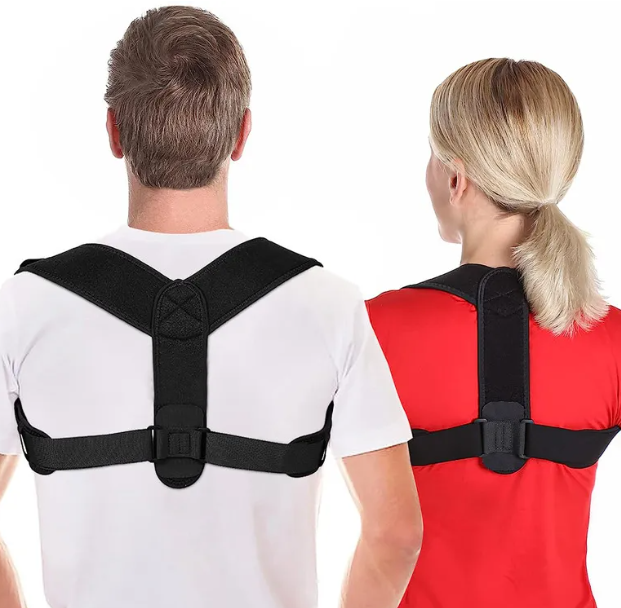
What it does: A posture corrector reminds you to maintain the right posture, helping reduce slouching and rounded shoulders.
Its limits: If you only wear it but never strengthen your back and core muscles, the results will be limited.
Best use:
Wear it for 1–2 hours a day, especially when working or using a computer.
Pair it with posture training like shoulder blade squeezes and core exercises.
Reduce dependence over time so your muscles remember the posture corrector naturally.
Think of it as a habit-building tool, not a magic fix that works overnight.
I recommend the Stand Tall, Feel Light – The Invisible Corrector — its adjustable, breathable design hides perfectly under clothing, making it ideal for all-day wear. Whether you’re working, exercising, or going about your daily life, keeping consistent posture is key.
4. Everyday hacks to improve posture
Want to improve your posture without adding extra workout time? Try these:
Hold your phone higher to reduce neck bending.
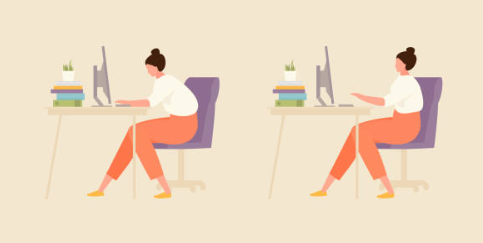
Sit all the way back in your chair — hips against the backrest, lower back slightly curved.
Lighten your backpack to ease shoulder and neck tension.
Walk as if a string is pulling your head upward — this naturally lengthens your spine.
These habits blend into your daily routine and make a difference over time.
5. Your “posture awakening” starts now
You don’t need to become a fitness fanatic overnight — just start by being aware of your posture.
At first, keeping your chest up and shoulders back might feel tiring, but as your muscles strengthen, it will become effortless.
In this process, a posture corrector acts like a gentle coach — it won’t pressure you, but it will quietly remind you when you start to slip.
Summary
Spend just 5 minutes a day practicing and adjusting your posture, and you’ll walk with more confidence, look better in photos, and feel a natural boost in your overall presence.
Use the Stand Tall, Feel Light – The Invisible Corrector and enjoy a posture upgrade with ease!
Don’t wait until you have back pain to start fixing it — from this moment, even sitting up straight for one second is already a step toward better posture.