Medical Discovery: The Deep Connection Between Posture and Breathing

When we sit, stand, or even walk, we rarely stop to think that posture and breathing are inseparable.
You might assume that breathing is simply the lungs at work and posture is just about body shape, but recent medical research tells us otherwise: your posture directly affects breathing efficiency, and the way you breathe can in turn shape your posture.
Why does posture affect breathing?
Many people think breathing is purely about the lungs, but in fact, your posture determines how well your lungs and diaphragm can function.
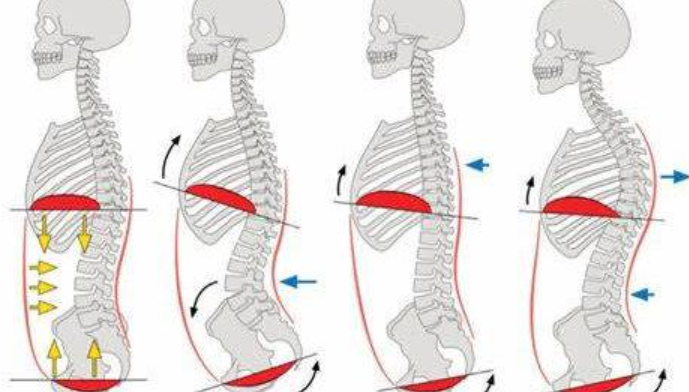
Restricted chest space: When you hunch forward, your chest cavity is compressed, preventing full lung expansion.
Limited diaphragm activity: Poor sitting posture restricts the diaphragm’s movement, making your breathing shallow and rapid.
Muscle tension effect: Tightness in the back and neck muscles limits rib expansion, reducing breathing efficiency.
In other words, posture is like the “switch” for your breath—with good posture, breathing feels free; with poor posture, it’s like locking up your lungs.
Common bad postures that make breathing worse
Because of long hours at desks and constant phone use, modern lifestyles create poor posture habits that secretly harm breathing:
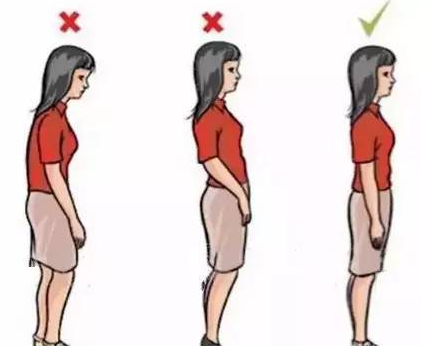
Rounded shoulders/hunched back: Sitting at a computer for hours compresses chest space.
Forward head tilt: The classic “phone user” pose tightens neck muscles and strains airways.
Slouched sitting: Sinking into the chair compresses the abdomen, limiting breath depth.
Shrugging habit: This subtle action tenses the shoulders and neck, making breaths shallow.
Over time, these habits don’t just make breathing harder—they also cause fatigue, reduced concentration, and even anxiety.
What happens when your breathing becomes shallow?
Don’t underestimate breathing—it’s linked to your entire body’s health.
Oxygen deficiency: Shallow breathing limits oxygen intake, making your brain feel foggy.
Extra workload on heart and lungs: Inefficient breathing forces these organs to work harder.
Higher anxiety: Research shows irregular breathing patterns can heighten feelings of stress.
Lower immunity: Poor breathing reduces circulation, weakening the body’s self-repair ability.
Worse sleep: Difficulty breathing makes it harder to relax and enter deep sleep.
So, poor posture not only affects how you look, but also your physical and mental health.
Medical findings: The deep link between posture and breathing
Recent studies have placed growing focus on this relationship:
Breathing muscles and posture muscles “work together”: With a straight spine and open chest, your breathing muscles perform more efficiently.
Hunching reduces lung capacity: Tests show lung volume in a slouched position can drop by over 30%.
Good posture improves heart rate and blood pressure: Easier breathing balances the nervous system.
Posture correction plus breathing training: Medical rehabilitation often combines both for chronic conditions.
This proves that good posture isn’t just about “looking good”—it’s a real key to health.
How to improve posture for smoother breathing
So how can you make breathing easier in daily life?
Be mindful of alignment: Remind yourself not to slouch—chest open, chin slightly lifted.
Stretch at work: Every hour, get up and stretch your shoulders, neck, and back.
Strengthen your core: Strong abs and back muscles keep your spine supported.
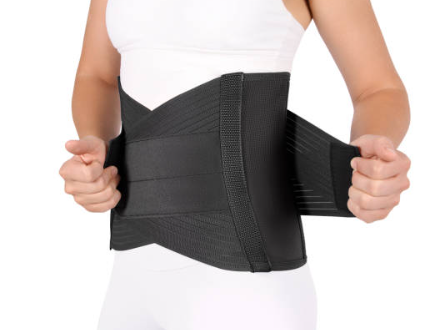
Use supportive tools: A back posture corrector can help you unconsciously maintain better posture.
Relying on willpower alone is tough—especially for long office hours. That’s where assistive tools come in handy.
Posture correctors: A gentle “reminder” for your back
Many people have tried lumbar cushions, but a back posture corrector can often be more effective.
Supports your spine naturally: Helps you avoid collapsing into a slouched posture.
Corrects rounded shoulders: Provides subtle feedback when you hunch forward.
Relieves neck and shoulder tension: With better alignment, muscles naturally relax.
Improves breathing: An open chest gives your lungs more room to expand.
Comfortable to wear: Modern designs are lightweight and non-restrictive.
Think of it as a quiet “posture coach,” keeping you upright throughout your workday.
Are back posture correctors good for you?
The question many ask is, do I really need one? The answer depends on your lifestyle:
If you work long hours at a desk: Your spine takes heavy strain daily.
If you often have shoulder or neck pain: Poor posture is likely the culprit.
If your breathing feels shallow: A collapsed chest limits airflow, and a corrector can help.
If you want better presence and energy: An upright posture boosts both confidence and breathing.
If you feel tired easily: Better posture + easier breathing = more oxygen, more vitality.
So, if you often hunch over and feel your breathing is restricted, a adjustable posture corrector–comfortable back support can truly help. Of course, it works best when paired with exercise and mindful posture habits.
Looking ahead: Posture + breathing training = the new health trend
Future health management won’t rely only on exercise and nutrition—it will emphasize integrated improvement.
Posture training: The foundation for all movement and rehabilitation.
Breathing training: Deep and diaphragmatic breathing as stress relief and fitness support.
Smart corrective devices: Future correctors may include sensors to track posture and breathing in real time.
Personalized health programs: Combining AI and data to tailor posture + breathing plans.
Conclusion: Posture and breathing are a shared health code
Bad posture = restricted breathing. This hidden risk often goes unnoticed.
Shallow breathing = reduced health. It affects not just your lungs, but also mood, sleep, and immunity.
To truly improve, don’t rely only on self-reminders—consider tools like an adjustable posture corrector–comfortable back support. With consistent use and good daily habits, you can gradually restore healthier posture and freer breathing.
So next time you feel chest tightness or trouble breathing, don’t panic about heart or lung disease right away—check your posture first. The answer might just be in your stance.