When the Body “Auto-Heals”: The Magic Link Between Rest and Posture

Have you ever had this experience?
You slept for a full night, but still woke up with a sore back. Or after sitting all day, your neck feels stiff and your shoulders feel like they’re carrying dumbbells.
The problem isn’t always about not getting enough rest. Often, it’s because your resting habits and posture aren’t right. Rest is like charging your phone, while posture correction is like fine-tuning the phone’s circuitry. Only when the two work together can your body switch into an “auto-repair” mode.
Why Rest Alone Isn’t Enough
1. Time ≠ Quality
You might sleep eight hours, but if your pillow is too high or your sleeping position is wrong, you’ll still wake up with aches.
The quality of rest matters more than the quantity.
2. Sitting = Invisible Killer
Long hours of desk work put tremendous pressure on your spine and neck. Rest alone can’t undo the long-term damage caused by bad posture.
3. The Body Needs Dynamic Recovery
Rest only offers temporary relief.
Posture, on the other hand, determines whether you’re slowly draining energy or actively recovering throughout the day.
The Value of Posture Correction: More Than Just “Looking Good”
1. Better Breathing
Slouching compresses your chest cavity, making it harder to breathe deeply. With correct posture, oxygen intake improves, and your recovery power doubles.
2. Improved Circulation
Bad posture puts pressure on the spine and slows blood flow, which can lead to numbness in the hands or feet. Fixing your posture helps circulation and boosts energy.
3. Reduced Fatigue
When you slouch, your muscles stay tense for hours. Good posture works like putting your body into “power-saving mode.” Less wasted energy, faster recovery.
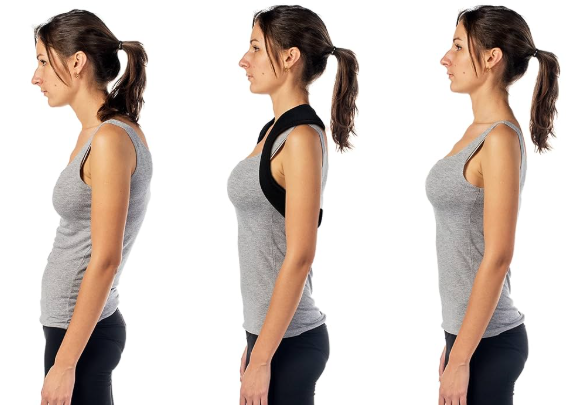
But are back posture correctors bad for you?
Many people wonder: Will wearing a posture corrector damage my body? Will I become dependent on it?
The truth is: it depends on how you use it.
1. Choosing the Right One is Key
Some rigid, overly tight correctors can indeed cause discomfort. But designs like the cross-back style, unisex, all-day posture corrector are made for comfort and flexibility—no digging marks, no restriction.
2. Corrector ≠ Muscle Replacement
A good posture corrector doesn’t replace your muscles—it simply reminds and supports you. Think of it as a mini “coach” whispering, “Stand tall.” Don’t hunch.
3. Science-Based Usage Matters
Start with 1–2 hours a day to let your body adapt. Over time, you’ll naturally maintain better posture even without it.
Used correctly, it’s not harmful—it’s an accelerator for recovery.
What’s Special About the Cross-Back, All-Day Design?
1. Unisex, Adjustable Fit
Traditional correctors are picky with body types. A cross-back design adapts to different frames, whether male or female.
2. Comfort for All-Day Wear
Lightweight and breathable material makes it invisible under clothes. Unlike bulky braces, you can wear it discreetly at work or outside.
3. Posture + Muscle Training
The cross straps gently open your shoulders, helping core muscles “memorize” the right posture.
4. Works in Any Scenario
At work: Keeps you from slouching unknowingly.
At home: Supports good posture while relaxing.
Outdoors: Barely noticeable, won’t affect movement.
Rest + Posture = The Body’s Auto-Healing System
1. Sleep = The Repairman
Good sleep repairs tissues and clears waste. But if you slouch all day, that repair work gets undone.
2. Posture = The Shield
Correct posture protects your body during the day so nighttime rest actually pays off.
3. Together = The Full Circle
Only rest = Half repaired.
Only posture correction = Half protected.
Rest + posture correction = A complete loop of healing.

Daily Practical Tips
1. Sitting Reminder
Sit with your hips touching the back of the chair, and spine gently forward. Stand up every 40 minutes.
2. Sleep Adjustments
Choose a pillow of the right height—not too high, not too low. Back-sleep or side-sleep; avoid stomach sleeping.
3. Mini Workouts
Shoulder/neck stretches: 5 minutes daily keeps stiffness away.
Core training: Builds long-term spine support.
4. Use a Corrector
Beginners benefit from posture correctors as a training tool. Over time, your muscles will naturally “remember” the proper stance.
What It Feels Like When Your Body “Auto-Heals”
Imagine this:
No more back pain after work.
Breathing stays smooth even after long hours of sitting.
One good night’s sleep = wake up refreshed and full of energy.
That’s the magic of combining rest with posture correction.
And with an all-day wear posture corrector – unisex crisscross design, it’s like unlocking the fast lane to recovery—your body slips easily into repair mode.
Final Takeaway: Dual Management of Recovery Power
Rest gives your body the chance to repair.
Posture correction prevents unnecessary damage.
Together, they create a true “healing loop.”
So, the next time you feel like endless rest isn’t enough, ask yourself: Is bad posture sabotaging me?
If yes—don’t just rely on sleep. Add the support of an all-day wear posture corrector—unisex crisscross design.
Because once you’ve got an “auto-repair system,” who wants to keep being that old machine always in need of fixing?