Office Hero Alert! How to Choose the Right Posture Corrector for Desk Workers

Are you stuck in an office chair all day, staring at a screen for eight hours straight? Tight shoulders, back pain, forward neck, and gradually becoming hunched over… Sound familiar?
Don’t brush it off — these are all signs of poor posture.
Sure, regular exercise helps, but a good back posture corrector (also known as a posture corrector) can make a real difference.
But with so many types on the market, how do you know which one’s worth your money?
Let’s break down how to pick the perfect posture corrector for office workers.
1. Why Do Desk Workers Especially Need a Posture Corrector?
Desk job = long hours of sitting and slouching — the classic “occupational hazard.”
Over time, that leads to:
Spinal misalignment and hunching
Neck and shoulder tension
Shallow breathing and poor focus
Poor appearance and self-confidence
That’s where a posture corrector for working professionals comes in handy. It gently reminds you to straighten up and helps support proper alignment throughout the day.
2. Understand the Types Before You Buy
Don’t just grab the “#1 best-seller” or some random influencer’s favorite. Knowing the different types of posture correctors helps you make the right call:
Lightweight correctors: Elastic straps that provide light support. Good for short periods or beginners.
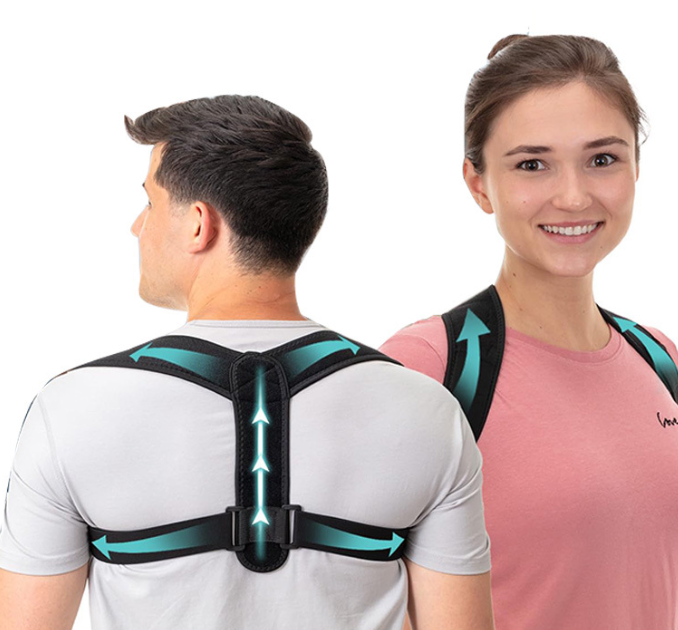
Support vest-style braces: Offer stronger structural support — ideal for long office hours.
Electronic posture trainers: Tiny gadgets that vibrate when you slouch. Helpful for awareness, but no physical support.
If you’re seated at a desk most of the day, go for a support vest-style posture corrector — firm enough to do the job, but not uncomfortably tight.
3. Breathability Is Key — Don’t Make It a Sweat Fest
Ever worn a posture corrector that made you feel like you’re wrapped in plastic wrap after 30 minutes?
Yup — that’s what happens when the material isn’t breathable or skin-friendly.
Here’s what to look for in terms of comfort:
Breathable fabrics (like mesh panels or moisture-wicking elastic)
Good fit that hugs your back without rubbing
Adjustable straps so you’re not stuck with one tightness level
Especially in summer or when you’re stuck in air-conditioned offices, breathability and comfort come first.
4. Fit Matters — Avoid “One Size Fits None”
Many posture correctors claim to be “one size fits all” — but real talk: they rarely do.
If it’s too tight, it digs in. Too loose? Zero support.
Here’s how to get the right fit:
Choose brands with detailed sizing charts
Check customer reviews for sizing feedback (e.g. “runs small” or “fits broad shoulders”)
Look for adjustable shoulder and waist straps for better flexibility
Remember — this is something you’ll wear regularly. If it doesn’t fit, it won’t work.
5. Discreet Design Matters for the Office
Planning to wear your posture corrector during work hours? Then you need something discreet.
Look for:
Slim, low-profile materials that don’t bulk up under clothes
Minimalist designs that stay hidden under a shirt or blouse
No chunky back plates or rigid supports that make you look like you’re wearing armor
You want to correct your posture quietly and confidently, not make it a fashion statement.

6. Don’t Ignore the Small Details!
Great office posture braces stand out in the little things. Keep an eye out for:
Durable Velcro that stays secure
Machine washable or easy-to-clean fabric
Padded shoulder straps to prevent digging or pinching
Removable or adjustable back rods for customizable support
These features might seem minor, but they make a huge difference when worn for hours on end.
7. Reminder: Posture Corrector ≠ Instant Fix
A posture corrector is not a magic solution. It’s a tool to help retrain your posture — but it works best when combined with daily habits.
Pair it with:
Shoulder rolls and chest-opening stretches
Wall posture practice (stand tall with heels, butt, shoulders, and head against the wall)
Strengthening exercises for your upper back
Consistency is key — wear the corrector + do the work, and you’ll see long-term improvement.
Quick Recap: What to Look for in a Posture Corrector for Office Workers
✅ Use case: Desk-bound? Go with a vest-style support brace
✅ Material: Breathable and skin-friendly
✅ Fit: Get the right size and adjustable straps
✅ Discreetness: Should be office-wear friendly
✅ Details: Comfy, durable, easy to clean = better wearability
Don’t let long office hours wreck your back.
Choose the right posture corrector and take back control of your spine — one straightened-up day at a time!