Posture corrector: How to reshape your visual presence in front of the camera.

resultsIn today’s world, where short videos, live streaming, and social media have swept through daily life, every appearance on camera is a subtle visual battle. On-screen posture not only influences the audience’s first impression of you but also determines the transmission of visual trust and charm. However, prolonged shooting with your head down, incorrect sitting posture, or slumped shoulders and back often result in poor camera presence and a lack of confidence. Here, a posture corrector is not simply a tool for correction but a “camera presence tool” that helps improve visual confidence, allowing you to have a more natural and powerful presence in front of the camera.
This article will analyze the role of posture corrector camera presence from three perspectives: camera expressiveness, psychological perception, and practical application, to help content creators understand how to reshape visual aura through posture.
Body posture signals and visual perception in front of the camera
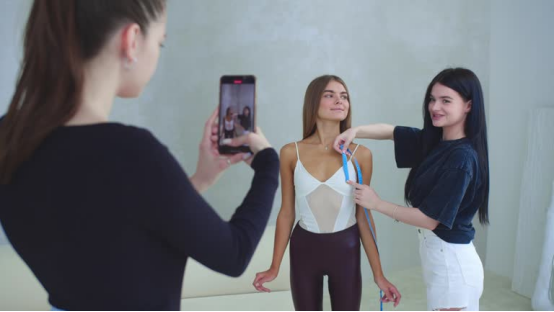
Visual psychology research shows that viewers’ first impression of a person in a video is mainly determined by the lines of the shoulders and neck, the extension of the spine, and the angle of the head. A slight hunchback or rounded shoulders can make a person look listless and lacking in confidence, while an upright posture and a slightly raised head convey a stable and reliable visual signal.
The core of on-screen posture lies not only in aesthetics but also in the psychological cues of body language. Research shows that good posture can enhance vocal projection, making content delivery more impactful and increasing viewer trust. For creators who frequently appear on screen, this subtle difference can directly influence fan engagement and viewing time.
Posture Challenges in the Technological Age
Prolonged exposure to screens, mobile phones, or filming equipment can easily lead to a hunched-down posture with tucked-in shoulders. These micro-habits not only affect on-camera performance but can also cause neck and shoulder pain and shallow breathing. A posture corrector, through gentle intervention before daily shooting, can remind the shoulders and back to naturally extend, restoring the spine’s natural curve, thus making every frame on camera more powerful.
The scientific principles and lens applications of posture correctors
The effects of posture corrector camera presence extend beyond visual enhancement; they also have physiological and psychological foundations. Its core function lies in:
- :Scapular stability : The posture corrector supports the scapula, allowing the shoulder and back lines to naturally open up and preventing rounded shoulders from collapsing.
- :Spinal extension : Mild traction on the thoracic spine restores the physiological curve of the spine, making the upper body appear naturally upright in the camera.
- :Breathing and voice optimization : Opening the chest cavity facilitates deep breathing, enhances vocal projection, and makes expression more confident and natural.
For example, in live streaming or short videos, creators wearing posture correctors, with slight adjustments to the shoulders and back, visually expand the chest and extend the neck, not only adding depth to the overall image but also improving sound resonance. Viewers unconsciously perceive a “composed and confident” aura; this is the interaction between visual signals and psychological perception.
Body memory and visual confidence
tools andProlonged use of a postural corrector can help form muscle memory, gradually making correct posture a natural habit. This on-screen posture becomes internalized as body language, allowing creators to maintain visual confidence without relying on corrective tools, and perform more naturally in front of the camera.
Combining daily training with creator scenarios
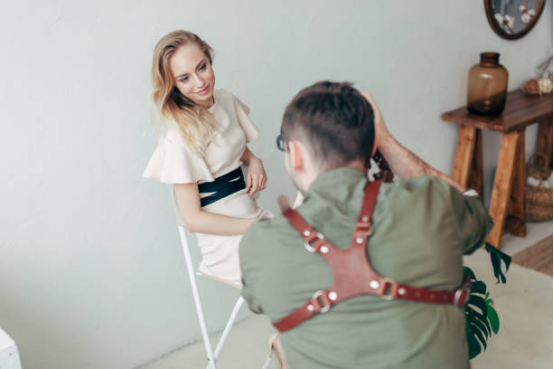
shooting butA posture corrector is not just an aid during shooting, but can also be integrated into the creator’s daily training:
- :Warm-up before shooting : Wear it for 10–20 minutes before shooting to awaken the shoulder and back muscles and fine-tune the extension of the spine.
- :Screen break reminder : When creating for extended periods, use the corrector to remind your shoulders and back to open naturally, preventing you from looking down and slouching.
- :Video playback analysis : By combining the playback of the footage, observe the changes in the shoulder and neck lines and posture, and adjust the shooting angle and body fine-tuning strategies.
Through these practices, creators not only improved their on-screen posture but also unconsciously cultivated an awareness of their daily posture, making visual confidence an internalized trait rather than a temporary state.
Case Studies and Data References
A study of short video creators found that adjusting shoulder and back posture and maintaining spinal extension can increase the perceived height on camera by about 15%, improving viewers’ ratings of the content creator’s professionalism and trustworthiness. Combined with the daily use of a posture corrector, long-term viewers are more likely to perceive the person as confident and stable, thereby increasing interaction rates.
Psychological bonus in the social media age
GoodIn an era dominated by short videos and live streaming culture, visual presence has become a crucial component of personal branding. A good on-screen posture is not just about image management; it conveys a psychological state: focus, confidence, and reliability. The intervention of posture correctors and camera presence allows creators to present these qualities more naturally on camera, thereby gaining greater visual recognition within the social media ecosystem.
Furthermore, this subtle improvement in posture can enhance the creator’s self-awareness and psychological comfort. Through optimized posture, creators experience an inner sense of confidence, which is then transmitted to the audience through the lens, creating a mutually reinforcing visual appeal.
Posture corrector: The power to reshape the aura of the camera.
In the era of social media and short videos, posture in front of the camera not only affects visual aesthetics but is also key to content expression and personal charm. Posture correctors help creators improve their on-screen posture through shoulder and back support, spinal extension, and posture reminders, enhancing visual confidence and making every appearance more powerful and engaging.
Whether you’re a livestreaming expert, a short video creator, or a newcomer to social media looking to improve your on-camera presence, understanding the profound impact of posture on visual aura, combined with the scientific assistance of a posture corrector, will allow you to present a more natural, stable, and confident self in front of the camera. If you wish to learn more about posture optimization strategies and explore more practical guides on posture correctors, let every frame become a declaration of confidence.