Practical solutions for students who sit for long periods while reading: Posture corrector

Prolonged sitting at desks or in front of computer screens has become a daily routine for middle and high school students. However, the effects of this sustained static posture on the spine and muscles are often overlooked until stiff neck and shoulders or back pain occur. Imagine students in a library, slightly leaning forward, shoulders tucked in, necks stretched towards books or screens—this prolonged sitting posture causes cumulative damage to the spine without them even realizing it. By using a posture corrector appropriately and combining it with scientific posture management strategies, students can not only alleviate immediate discomfort but also develop healthy sitting habits for the future.
The subtle effects of prolonged sitting on the body
Prolonged sitting alters the body’s natural alignment. Studies show that students who sit for more than four hours at a stretch are more prone to excessive thoracic lordosis and forward head posture. Prolonged forward head posture leads to sustained tension in the neck and shoulder muscles, while the core muscles lack support, resulting in back fatigue. The hip flexors also tighten, further affecting pelvic position and spinal curvature.
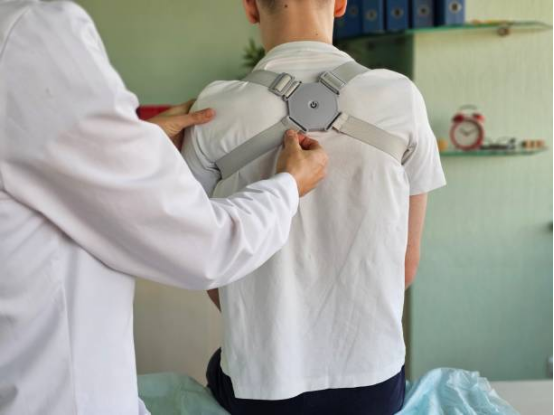
The posture corrector isn’t a magic bullet for instantly straightening the spine, but it acts as a physical reminder, prompting the body to make subtle postural adjustments. When worn, students unconsciously hunch their shoulders, straighten their chests, and naturally align their necks, thus reducing the pressure on muscles and joints from prolonged sitting. Long-term use combined with active posture training can effectively reduce the risk of posture-related chronic discomfort.
According to a survey published in the *Journal of Physical Therapy Science*, up to 68% of students who study continuously for more than five hours a day without any postural intervention experience back or neck and shoulder pain. After introducing a posture corrector and micro-movement strategies, this rate dropped to approximately 38%, demonstrating a significant improvement.
Incorporate short activities into learning
Even the best posture corrector cannot replace active posture maintenance. Taking a short break every 30–45 minutes can significantly relieve tension in the neck, shoulders, and lower back. Common stretching methods include:
- Door frame chest stretch: Hold onto the door frame with both hands, lean forward, and feel your chest and shoulders being stretched. This can effectively relieve forward shoulder posture.
- Seated spinal rotation: Twist left and right in a chair to promote flexibility of the thoracic and lumbar spine while enhancing the engagement of the core muscles.
- Hip flexor extension: Stretch the anterior hip muscles while standing or half-kneeling to prevent prolonged tightening of the hips, which can lead to anterior pelvic tilt.
Combining study ergonomics with an optimized learning environment can further enhance the effect: adjusting the screen height to eye level, supporting the chair back to the natural curve of the waist, and placing both feet flat on the ground—these seemingly simple adjustments, combined with the corrective reminders from the posture corrector, can reduce fatigue and discomfort caused by long hours of study by about 40%.
In addition, you can incorporate gentle movements into your studies, such as shoulder rolls, wrist extensions, and slight neck rotations. Performing these movements every hour can significantly improve blood circulation while reminding your body to maintain proper posture.

Develop sustainable posture habits
Maintaining consistency is key to establishing effective sitting posture habits. When first wearing a posture corrector, it is recommended to wear it for 20–30 minutes each time, gradually increasing the wearing time to allow the muscles to adapt rather than relying on external support.
Combining shoulder contractions, deep breathing, and chest expansion exercises can reinforce the memory of correct posture. Students can use a posture tracking app or a study log to record changes in comfort before and after each day’s study. With consistent practice, this will help the body internalize correct posture, reducing reliance on orthodontic devices while still allowing students to enjoy the benefits of their cues and support.
Some students reported that by combining active posture training with micro-rest habits, they could maintain relaxed neck and shoulders and good concentration even after studying for two hours. Clearly, this comprehensive approach not only improves physical comfort but also indirectly enhances learning efficiency.

Posture maintenance in daily life
Posture correction isn’t limited to the classroom or library. Regular exercise (yoga, Pilates, or core strength training) can strengthen back and abdominal muscles, improving flexibility and spinal stability. Balanced nutrition and adequate hydration also contribute to muscle recovery and joint health.
Modern students use laptops and mobile phones extensively, which easily leads to postural problems such as looking down and hunching over. Adjusting the device height, using voice input, or changing sitting posture at intervals can reduce spinal pressure. In this scenario, the posture corrector acts like a gentle reminder, unconsciously guiding the body back to the correct position while helping students develop good digital device usage habits.
In daily life, you can also improve your posture awareness using some simple tools. For example:
- Standing desks: Alternate between sitting and standing postures to reduce the time spent sitting continuously.
- Posture reminder app: Pushes reminders during study or rest to promote fine-tuning of shoulders and back.
- Mini-core training: Use resistance bands or simple dumbbells to strengthen your shoulders and back, 2–3 times a week, to significantly improve postural stability.
Make learning more comfortable every hour
Correct posture not only reduces back and neck fatigue but also improves concentration and learning efficiency. By wearing a posture corrector scientifically, combined with short-term exercise, environmental optimization, and core muscle training, students can significantly improve comfort and focus.