
The morning sunlight streamed through the curtains into the living room. The pregnant woman gently stretched her back, feeling the subtle pressure from her growing belly. As pregnancy progresses, the center of gravity shifts forward, increasing the load on the lower back, and even everyday movements can cause fatigue and soreness. A posture corrector, a close-fitting posture aid, provides scientific support for pregnant women, helping to relieve lower back pressure while maintaining good posture.
Scientific Background of Back Pressure During Pregnancy
During pregnancy, the enlarged uterus causes the pelvis to tilt forward, increasing the natural curvature of the spine. According to data from the American College of Obstetricians and Gynecologists, up to 50% of pregnant women experience varying degrees of lower back pain in the second and third trimesters. This not only affects daily life but can also impact sleep quality and willingness to move.
A posture corrector gently supports the upper back and lower back, helping muscles maintain natural extension while reminding the body to maintain correct posture. Compared to simply relying on willpower to control sitting or standing posture, the corrector provides continuous physical feedback, reducing the extra load on the lower back caused by hunching or forward leaning.
Different materials used in posture correctors offer varying degrees of adaptability during pregnancy. Flexible webbing provides comfortable support and is easy to wear for extended periods; breathable, elastic materials offer both support and comfort, making them suitable for active daily activities; and adjustable designs can be flexibly adjusted to accommodate changes in the abdomen during pregnancy, avoiding a feeling of constriction or concentrated pressure.
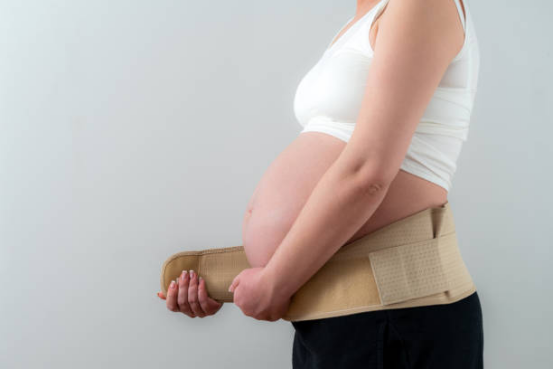
Strategies for correctly using a posture corrector during pregnancy
Wearing a posture corrector is not about wearing it too tightly; proper use is key.
- Adjust the shoulder straps and waist belt position : The goal should be to slightly tighten the shoulder blades and support the lower back, avoiding compression of the abdomen.
- Combining pregnancy-specific stretches , such as the cat stretch and slow pelvic tilts, can help activate the core and back muscles.
- Wear it in stages : It is recommended to wear it for 30-60 minutes a day, especially when you need to stand for a long time or do light physical activities, which can effectively reduce the pressure on your lower back.
- Data recording and self-feedback : By recording changes in body aches and fatigue daily, you can understand the effectiveness of posture correction and gradually optimize the wearing plan.
Real-life cases show that the proper use of a posture corrector combined with gentle stretching can reduce back discomfort by about 35% in the mid-to-late stages of pregnancy, and significantly improve mobility and comfort.
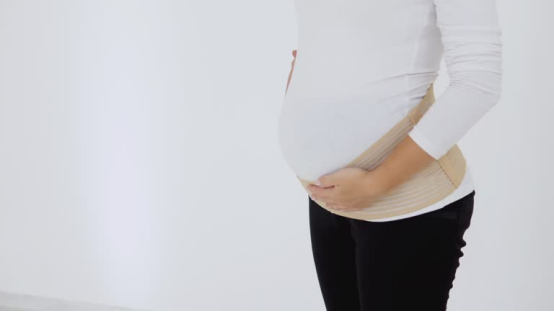
Material selection and comfort management
Comfort is paramount during pregnancy, making material selection crucial. Breathable mesh reduces stuffiness and prevents eczema or skin irritation from prolonged wear; soft padding alleviates shoulder pressure, allowing pregnant women greater freedom of movement while walking or doing housework.
Meanwhile, proper adjustment and regular cleaning of the orthosis are essential to maintaining its effectiveness. The elasticity of the webbing and wear on the fasteners can affect the support strength; it is recommended to check them weekly, and if necessary, lightly hand wash and air dry them to avoid sun exposure which can cause material aging.
Proper maintenance can extend the lifespan of the orthodontic device, providing continuous support during pregnancy and early postpartum, rather than just short-term relief.
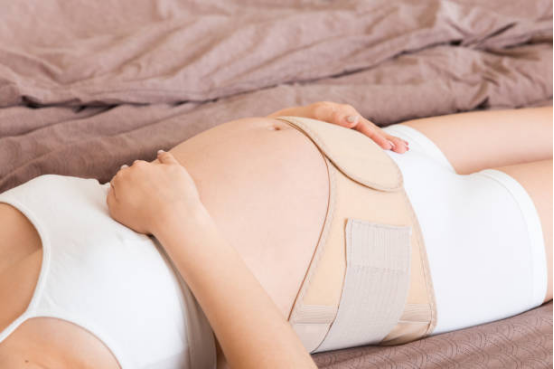
Application Insights in Workplace and Home Scenarios
As a pregnancy’s range of activities changes, prolonged standing, shopping, or housework in daily life can increase pressure on the lower back. A posture corrector can provide stable support in these situations, helping pregnant women maintain good posture and reducing lower back fatigue. Additionally, wearing it lightly in the office or at home can remind the body to maintain the natural curve of the spine, avoiding prolonged sitting with a hunched back or forward lean.
In the future, combined with wearable posture monitoring devices, the posture corrector may provide personalized wearing solutions through data analysis, making pregnancy health management more scientific and intuitive.
Summary and Further Reading
The pressure on the lower back during pregnancy should not be ignored, and a posture corrector offers an actionable and scientifically sound solution. By choosing the right materials, wearing it correctly, and incorporating gentle stretching exercises, pregnant women can maintain comfort and postural health.
Learn more about posture corrector stress relief strategies.