Why Do You Always Look Tired on Camera? — The Truth Behind “Posture Anxiety”

These days, we can’t escape the camera — photos, video calls, short videos — they’ve become part of everyday life. We see ourselves in the frame constantly.
But have you ever felt this way: you look at yourself on camera and think, “Why do I look so drained?” Sometimes, you even look more tired than in the mirror. You didn’t stay up late, but you look like you’ve just pulled three all-nighters.
The culprit? Your posture.
Let’s talk about the truth behind “posture anxiety” and how to fix it in a smart, sustainable way.
Cameras Amplify Posture Problems
The camera is honest… but sometimes brutally so.
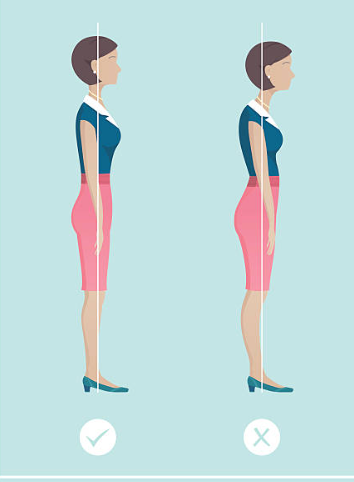
Slouching makes your shoulders collapse and your neck lean forward, instantly aging you by 5 years.
Hunching your chest lowers your chest line, making you look less confident and less energetic.
Looking down blurs your jawline and makes your face look tired.
In real life, these details might not be that obvious. But on a two-dimensional screen, they get magnified. In video calls, selfies, or live streams — especially close-up shots — your posture has nowhere to hide.
Posture Affects More Than Just Looks
Think posture is only about appearance? Think again — it impacts your mood and energy, too.
Psychology studies show that maintaining an upright posture makes you feel more confident and positive.
On the other hand, slouching compresses your chest, makes your breathing shallow, and reduces oxygen supply — leaving you more tired and even anxious.
This is why some people look vibrant on video. It’s not just the makeup — it’s the posture that upgrades their whole presence.
The Era of “Posture Anxiety”
Before, you might have only glanced at yourself in the mirror a few times a day.
Now, you’re staring at yourself for hours in video meetings, reviewing clips while filming short videos, or even watching yourself during casual video calls.
This high-frequency self-observation makes you hyper-aware of posture flaws — leading to what we call posture anxiety. Many people feel they look dull or disproportionate on camera, and some even start avoiding the lens altogether.
The good news? You can use posture aids — like a posture corrector — to help retrain your body into better alignment.
What is the most effective posture corrector?
You might wonder: “If I buy a posture corrector, will it fix everything?”
The answer: it’s a great helper — but only if you choose the right one and use it correctly.
The most effective posture correctors usually have these features:
Lightweight design — discreet to wear, so it won’t disrupt work or movement.
Ergonomic support — supports your shoulders and back to keep your spine in a neutral position, without forcing you uncomfortably straight.
Adjustable straps — fits different body types without digging into your skin.
Breathable material — stays comfortable even during long wear.
Pro tip:
Use a posture corrector to build awareness, not as a crutch you rely on all day.
The best results come from corrector + core strengthening — so your muscles can naturally hold you in good posture.
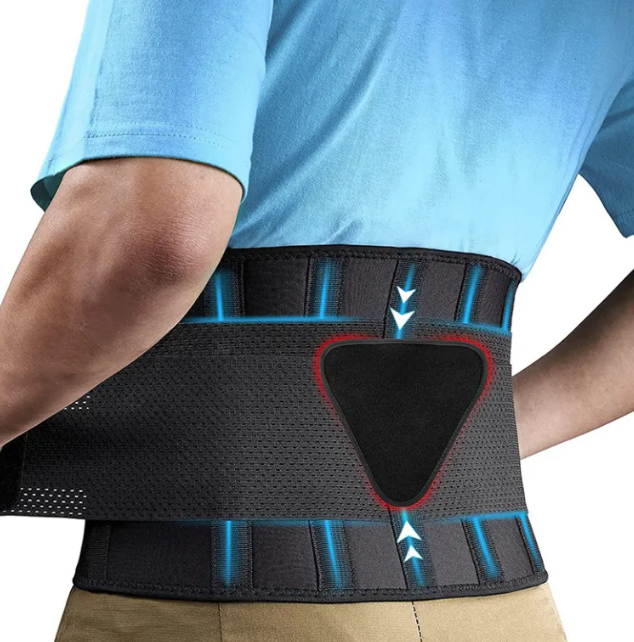
A well-fitted adjustable posture corrector – comfortable back support and help your posture improve almost effortlessly.
Easy Daily Habits to Look Better on Camera
Even without a posture corrector, you can make a big difference with these tips:
Raise your camera — keep it slightly above eye level for a cleaner jawline.
Deliberately stretch your posture — shoulders back, spine tall, chin slightly lifted.
Breathe deeply — expand your chest for better energy and complexion.
Practice “camera posture” — find a natural, confident position that works best for you.
Posture Is a Long-Term Investment
Improving posture isn’t a quick fix — it’s a lifestyle:
Spend 5–10 minutes daily stretching your back.
Take regular breaks to stand and move.
Use a posture corrector to build awareness.
Keep an open, confident posture when on camera.
Once these habits become muscle memory, you’ll notice it — a more confident, energetic version of yourself will appear on screen.
Final Thoughts
If you look tired on camera, posture is often the hidden reason.
Good posture = better proportions + better presence + better mood.
A posture corrector can be your best friend, but ultimately, your own strength and habits will keep you aligned.
If you often forget to correct yourself, consider getting an adjustable posture corrector – comfortable back support will help you improve without even thinking about it.
Start your posture management plan today — not just for how you look on screen, but for your daily health and confidence.