Women VS Men: Different Choices in Posture Correction Products

Nowadays, more and more people are paying attention to their posture health, using posture correction products to improve standing, sitting, and overall image. But did you know that men and women often have very different needs and preferences when choosing these products?
This difference isn’t just due to physiological structure, but also lifestyle habits, aesthetic preferences, and psychological expectations. Today, let’s talk about those “big differences” between men and women when it comes to posture correction products.
Physiological Differences Lead to Different Basic Needs
Men’s and women’s body structures differ, which directly impacts the focus and design of posture correction products.
Women usually have narrower shoulders, larger chests, and more pronounced waist curves. So, women’s posture correctors need to support both the chest and the back without causing pressure, and they must be comfortable. Many women care more about “fit” and “invisibility,” hoping the corrector is not obvious under clothing.
Men have broader shoulders and more developed muscles. Their posture correction focuses more on supporting and stretching the back and shoulders. Men generally accept slightly “tougher” designs. Male posture correctors tend to emphasize sturdiness, breathability, and easy adjustment of tightness.
Lifestyle Impacts Usage Scenarios and Needs
Men and women have different life rhythms and habits, which lead to different priorities when using posture correction products.
Women often prioritize comfort for daily wear — at work, doing housework, or shopping. They also care about aesthetics, preferring stylish designs, soft colors, or even colors that match their outfits.
Men mostly use posture correctors for recovery after exercise, long work hours, or injury repair. They focus more on function—support strength, durability, and adjustable flexibility. Appearance-wise, men prefer low-key and simple styles, usually in black or gray.
Differences in Aesthetic and Psychological Expectations
Choosing a posture correction product is not just about function but also reflects psychology and identity.
Female users often hope posture improvement will bring both comfort and increased confidence and elegance. They like designs that make them look slimmer and more graceful. That’s why many women’s correctors emphasize “invisibility,” “thinness,” and “shaping” effects.
Male users emphasize practicality and a sense of strength. Posture correctors are seen as tools to enhance professionalism and self-management. Men are more open to “tough” designs, which fit their masculine image.
Gender Differences in Common Posture Issues
Women’s common problems: hunchback, rounded shoulders, and back pressure due to chest weight, often accompanied by neck and shoulder stiffness. Female correctors often focus on chest support, shoulder adjustment, and lumbar support.
Men’s common problems: mostly caused by prolonged sitting or poor posture leading to rounded shoulders and hunchback. Men’s muscles are generally tighter, causing shoulder stiffness and back discomfort. Male correctors focus more on shoulder and back stretching and relaxation.
If you tend to unconsciously develop bad sitting habits, adding auxiliary posture correctors can help improve these issues.
How to use a posture corrector?
Buying the right product is important, but proper use determines the effect. Here are some practical tips:
Gradually increase wearing time: Start with 30 minutes to 1 hour per day and increase slowly to avoid discomfort.
Maintain correct wearing posture: Ensure the corrector fits the back and shoulders but isn’t too tight to affect breathing or movement.
Combine with posture exercises: Pair wearing with simple shoulder and core muscle stretches for better results.
Avoid wearing continuously for too long: Don’t wear all day; give muscles time to move freely, helping to develop natural correct posture.
Regularly check and adjust: As posture improves, loosen or reposition the corrector to keep it optimal.
Different Preferences for Material and Functional Design
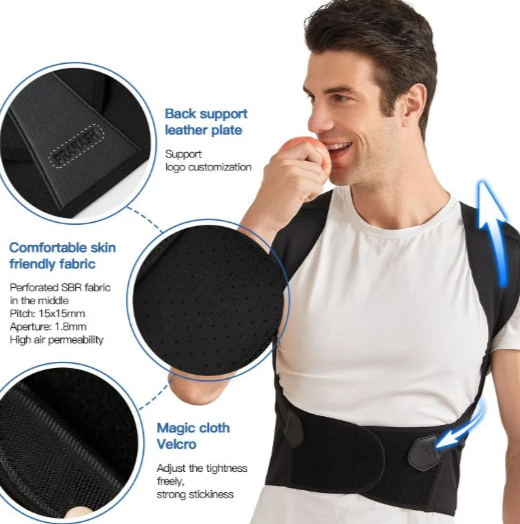
Women tend to prefer soft, skin-friendly, breathable fabrics to avoid discomfort or marks from long wear. Lightweight and designs that can be hidden under clothes are more popular.
Men care more about durability and support strength. They prefer functional, structured products with good breathability and odor resistance.
You can also consider all-day wear posture corrector – unisex crisscross design, which suit both men and women and can be adjusted based on individual needs.
Price Sensitivity and Purchasing Decisions
Studies show women are willing to invest more in health and beauty products and pay attention to brand and reputation. They often make purchase decisions based on social media and user reviews. However, some products labeled for women are priced higher than identical versions for men despite the same functions and materials.
Men tend to focus more on practicality and cost-effectiveness, making purchase decisions more rational and faster.
Conclusion
Men and women have different needs when it comes to posture correction products—not only because of physical differences but also due to lifestyle, aesthetics, and psychological expectations. Brands that understand these differences can create more thoughtful and in-depth products and content, improving user experience and loyalty.
The all-day wear posture corrector – unisex crisscross design uses patented technology for effective posture correction, helping solve your posture problems.
Choosing the right posture correction product is an investment in health and confidence. Regardless of gender, finding the product that truly suits you makes posture management easier and more natural.