From Shoulders to Heart and Lungs: How Poor Posture Silently Steals Your Health

Have you noticed that whether at the office or at home, more and more people unconsciously hunch their backs and crane their necks forward? Especially when scrolling on your phone, typing, or gaming, time flies and your back gradually curves, your neck juts out, and your whole posture just screams “low energy.”
Many people think bad posture is just about looking unattractive in photos, but in reality, it’s quietly “stealing” your health—and the impact goes way beyond looks. From your shoulders and neck to your heart and lungs, your entire body can be affected.
Shoulder and Neck Problems: The Ache is Just the Beginning
When you’re constantly hunched over, the muscles in your shoulders and neck stay tense all the time. At first, you might just feel some stiffness in your neck or a bit of soreness in your shoulders, but over time, this muscle fatigue can turn into chronic pain and even lead to cervical spine issues. Once your cervical spine starts having problems, it’s not just about reduced work efficiency—you might also experience arm numbness, headaches, and other bothersome symptoms.
Back and Spine: Deforming Faster Than You Think
Hunching pushes your upper back outward, shifts your body’s center of gravity forward, and disrupts the natural curvature of your spine. Over time, the muscles around your spine become imbalanced—some overly tight, some too weak. This not only changes your appearance, but can also lead to spinal deformities and faster joint wear and tear. These changes often creep in unnoticed, but once they take hold, they’re hard to fully reverse.
Breathing and Heart-Lung Function: Chest Space Shrinks
Many people don’t realize that hunching can directly affect your breathing. When your back is curved, your chest cavity has less room to expand, which reduces lung capacity and makes your breathing shallower. This can leave you feeling tired more easily, lower your exercise endurance, and even reduce your heart’s efficiency. Especially during mentally demanding tasks, reduced oxygen supply can make it harder to concentrate.
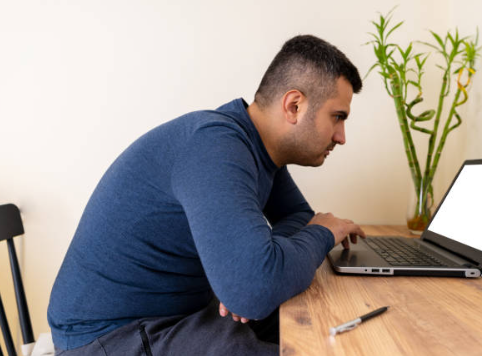
Mood and Confidence: Posture Speaks Without Words
The way you carry yourself—whether you stand tall or slump—gives off completely different vibes. Poor posture can make you look less energetic and less confident, and it can gradually influence your mood as well. Studies have shown that body posture affects hormone levels and emotional state—standing tall tends to make you feel more positive, while chronic slouching can pull you toward negativity.
So, Do back posture correctors work?
When it comes to fixing bad posture, many people’s first thought is to buy a posture corrector. But does it actually work?
The answer: It can help to a certain extent, but it’s not a magic fix.
A posture corrector works like an external reminder—when you start to slouch, it gives your body a gentle “straighten up” cue, helping you maintain better alignment. It’s effective for short-term correction of bad habits and for guiding muscle memory in the right direction.
However, if you rely on it alone without strengthening your core and back muscles, your posture will likely slip back as soon as you take it off. The best approach is to combine it with regular stretching, back exercises, and workspace adjustments so your body naturally learns to maintain proper posture.
Improvement Tips: More Than Just Sitting Up Straight
Move regularly: Get up every 40–50 minutes to stretch your neck and shoulders.
Strengthen your back: Exercises like rows and reverse flys can build back support.
Adjust your workspace: Keep your monitor at eye level to avoid long periods of looking down.
Use support tools: Consider a posture corrector or an ergonomic chair as transitional aids.
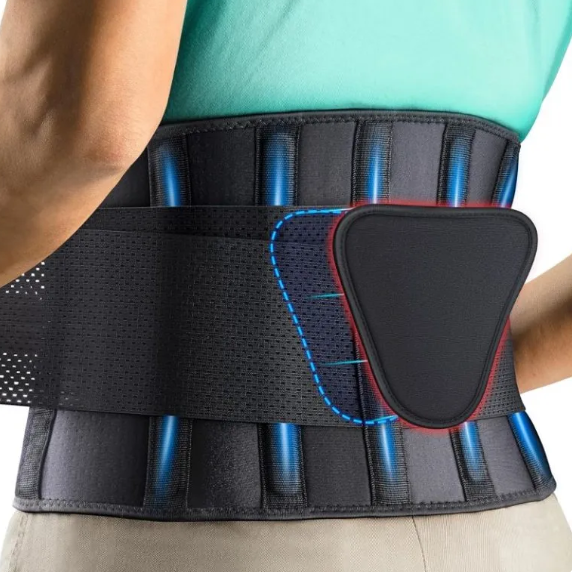
For example, an adjustable posture corrector – comfortable back support can help you improve your posture more effectively.
Conclusion: Give Your Health a Reason to Stand Tall
Poor posture doesn’t just make you look less energetic—it can cause problems from your shoulders and neck to your heart and lungs, ultimately impacting your overall health and quality of life. Tools like an adjustable posture corrector – comfortable back support can help remind you to straighten up, but real change requires your own effort—adjusting your habits, exercising, and optimizing your environment.
So starting today—sit up, lift your head, pull your shoulders back, and let your body memorize that feeling. You’ll discover that standing tall not only looks better, but also helps you breathe easier, feel lighter, and stay healthier.