
Removing your posture corrector after a workout often brings a lingering smell of sweat and musty fabric, a moment many dread. Whether you’re strengthening your back muscles at the gym or sitting for long periods in the office correcting your posture, this support device is in close contact with your skin, constantly exposed to sweat, sebum, and dust. Over time, it becomes like a piece of cloth trapped in a sealed bag—damp, sour, and even slightly musty. To truly keep your posture corrector fresh, antibacterial, and odor-free, you must master scientific cleaning strategies and dehumidification techniques .
The “Hidden Problem” Behind Sweat: An Ideal Breeding Ground for Bacteria
Most posture correctors use breathable nylon, elastic cotton, or neoprene. These materials excel in fit and support, but share a common weakness—they easily absorb moisture and are difficult to dry completely. According to data from the sports and health research organization Sports Textile Lab, bacteria on these materials can multiply tenfold within eight hours in a temperature and humidity environment of 30°C.
This means that a seemingly “dried” posture corrector may still harbor bacteria and mold spores. Over time, the odor doesn’t come from the sweat itself, but from the bacterial metabolites produced after the sweat decomposes . To truly eliminate the odor, the key is to break this breeding cycle.
The solution isn’t frequent cleaning, but rather a phased cleaning strategy : first dehumidify, then disinfect, and finally deodorize. Only when these three steps are implemented simultaneously can you truly achieve a “clean posture corrector,” rather than just “temporarily odor-free.”
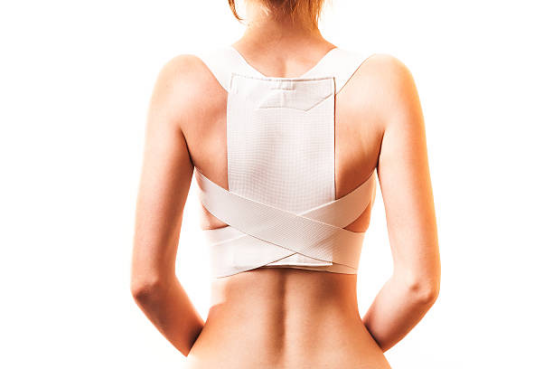
Household cleaning strategies: The golden ratio of scientific washing and deodorization
Step 1: Low-Temperature Pre-Wash
Before washing the posture corrector, gently soak it in cold water for 10 minutes to soften surface sweat and salt. Avoid using hot water, as high temperatures will loosen the elastic fiber structure and reduce its support.
Step 2: Choose a mild detergent.
A neutral detergent without ammonia or bleach is ideal. Experts suggest adding 1 teaspoon of baking soda to 2 liters of water. This natural alkaline substance can neutralize odor molecules and is particularly effective in removing odor from posture brace.
Step 3: Disinfection and Sterilization.
After washing, add a small amount of white vinegar to the water for a second rinse. The acidic environment of white vinegar can destroy the cell membranes of bacteria, thus achieving a natural sterilization effect. This step can effectively reduce bacterial residue by about 90%, making the wash process more thorough.
Step 4: Air Drying, Not Sun Exposure.
Lay the posture corrector flat in a cool, well-ventilated place to air dry, rather than exposing it to direct sunlight. While sunlight can kill bacteria, strong ultraviolet rays can also cause the material to age and become brittle. To speed up the drying process, place a moisture-absorbing silicone bag nearby or turn on a dehumidifier to ensure air circulation.
Deep dehumidification and sterilization techniques: the hidden key to extending product lifespan.
Many people clean their devices frequently but neglect the dehumidification process. Residual moisture not only causes odors but also weakens the adhesive tape’s grip, causing the posture corrector to slip and deform when worn.
1. Using
natural absorbents such as activated charcoal or bamboo charcoal bags, you can place them in storage boxes or wardrobes to continuously absorb air humidity and prevent mold from growing inside the device.
2. For daily light cleaning, spraying medical-grade alcohol mist solution
does not require soaking every time. After use, spray evenly with 75% alcohol, wait 10 minutes, and then wipe. This will quickly disinfect without damaging the fabric structure.
3. Intelligent drying equipment assists
some users in using small circulating air dryers to treat posture correctors, simulating low-temperature airflow to maintain a constant dryness inside. According to actual tests, this method can reduce humidity to a safe level within 30 minutes, far superior to natural air drying.
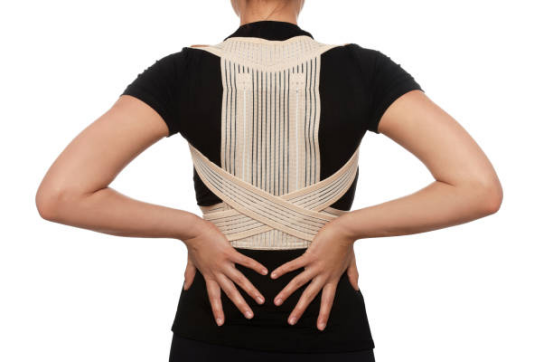
Personalized cleaning based on material differences
Not all posture correctors can be cleaned in the same way.
- Neoprene material : Avoid high-temperature water and strong acidic cleaning agents to prevent the material surface from becoming sticky.
- Cotton or stretch fabric : Suitable for washing with neutral detergent, and a small amount of lemon juice can be added to remove odor.
- For nylon and polyester fiber materials : it is recommended to use warm water and gently agitate, and then pat dry with a towel.
Different materials require different deodorizing methods. Understanding the structure of a posture corrector is essential for truly scientific care, rather than blind washing.
A microscopic perspective: Why do unpleasant odors always seem to linger?
People often complain that odors persist even after several washes because bacteria form a so-called “biofilm” deep within the fabric fibers. This membrane-like structure protects bacteria from detergents, making them stubbornly persistent.
To break through this protective layer, “deep immersion treatment” can be performed regularly:
- Immerse the posture corrector in water with added hydrogen peroxide (3% concentration) for 15 minutes;
- Then rinse thoroughly with cold water and air dry naturally.
This method disrupts the stable structure of the biofilm, eliminating odors at their source, rather than simply masking them.
Long-lasting care: Make freshness a daily routine
Cleaning is not a one-time task, but a routine management practice throughout the usage cycle. Here are three practical habits to keep your posture corrector clean and tidy:
- After each use, allow the air to air dry : Do not put it directly into a bag or drawer, let the air carry away the moisture.
- Deep cleaning once a week : Adjust according to usage frequency, using the aforementioned natural disinfection methods.
- Dry completely before storing : Any residual moisture will cause odors and bacteria to grow again.
Through these simple yet consistent movements, clean posture corrector is no longer a complicated task, but a healthy habit.
Antibacterial fabrics and self-cleaning technology
The sports and wellness industry is moving towards “self-cleaning materials.” Future posture correctors may use antibacterial fabrics containing silver ions or copper fibers, which can actively inhibit bacterial growth and reduce the frequency of washing. Some brands are also exploring photocatalytic technology, allowing devices to decompose organic odor molecules under natural light.
With advancements in technology, we will gradually be free from the tedious process of frequent washing, making posture corrector maintenance more intelligent and sustainable.
Cleaning is a continuation of physical sensation.
Keeping your posture corrector fresh isn’t just about avoiding odors, but also about maintaining comfort and confidence. Clean support straps encourage you to straighten your back, breathe more easily, and concentrate better.
Perhaps this silent refreshment is your body’s way of thanking you.
If you would like to learn more about scientific methods for posture corrector care or guidelines , please visit our website to explore more systematic antibacterial and dehumidifying strategies—making every wear a “clean” start.