The shrug anxiety of the Zoom era: Can posture correctors help you relax?

In today’s world, do you find yourself constantly staring at the camera, trying to look “more energetic,” and adjusting the lens to appear more natural?
The result? Your shoulders unconsciously hunch upwards, and your neck stiffens as if it’s stuck in the screen.
That’s right, the “shrugging anxiety” of the Zoom era has quietly spread to everyone who spends long hours in front of a camera.
Whether you’re an office worker, a student, or a remote worker, we’ve all unknowingly developed a “tense posture”—stiff shoulders, a forward-leaning neck, and a slightly hunched back.
This isn’t just about looking tired; it genuinely makes you increasingly exhausted physically.
Posture correctors are becoming an “invisible coach” for many trying to regain relaxation and balance.
Why do we unconsciously shrug our shoulders more easily in the Zoom era?
1. The camera magnifies unconscious posture issues
In real life, you might not even notice your slightly forward-leaning shoulders, but when the camera zooms in from your chest to your shoulders, this subtle hunchback becomes very noticeable. Even more interestingly, this visual feedback can have a psychological impact—you might start to feel unprofessional and lack confidence in your physique.
2. Prolonged sitting is the driving force behind sagging shoulders
Sitting in front of a computer for extended periods of time makes hunched shoulders and a rounded back almost a standard feature. With muscles constantly contracted, the body becomes accustomed to this unnatural posture. The result isn’t just slumped shoulders on camera; in real life, we’re also increasingly unconsciously hunching our backs.
3. Psychological stress can cause shoulders to become disconnected
Zoom meetings often involve instant feedback, camera observation, and the scrutiny of superiors—all of which can subconsciously lead people to tense their shoulders and necks. However, when attention shifts to the content on the screen, the muscles in the shoulders and back tend to relax and sag.
The chain reaction of “slumped shoulders”
Visual fatigue and psychological anxiety : Seeing yourself not standing tall enough in front of the camera can easily affect your self-confidence and work attitude.
Stiff shoulders and neck : Leaving your shoulders slumped for a long time will cause tension in the shoulder and neck muscles, and mild soreness will become the norm.
Restricted breathing : Hunching the chest causes compression in the chest cavity, making deep breathing difficult, and may even affect mental state in the long run.
Solidified posture habits : Once slouching becomes the norm, it becomes increasingly difficult to correct.
Therefore, “drooping shoulders” is not simply an aesthetic issue but a comprehensive reflection of physical health and psychological feelings.
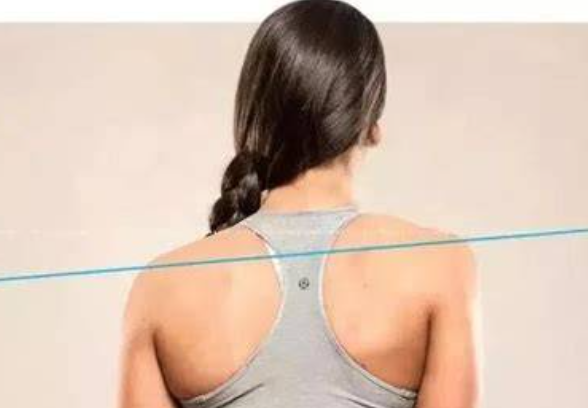
How can you stand tall in the Zoom era?
Here are a few tips to help you improve your shoulder and neck posture without even realizing it during your daily office work:
1. Always pay attention to the position of your shoulders and neck
Every 30-60 minutes, remind yourself to “pull shoulders back and lift your chest.” You can set a reminder on your phone or computer to make this posture adjustment a habit.
2. Adjust the height of the chair and screen
Ideally, the top of the screen should be at eye level, your shoulders should be naturally drooping, and your elbows should be at a 90-degree angle. This will greatly reduce the chances of leaning forward and hunching your chest.
3. Do simple shoulder and neck stretches
It can also be easily done in the office: shoulder circles, shoulder blade squeezes, and chest stretch, 1-2 minutes each time, multiple times in a row, which is much more effective than maintaining the wrong posture for a long time.
4. Adjustable posture corrector aid
This is an auxiliary tool that many people overlook but is very effective: adjustable posture corrector–comfortable back support , the freely adjustable design can gently pull the shoulder blades, allowing you to stay upright in daily office work and reduce the visual and physical troubles of drooping shoulders.
Natural and comfortable: Not as stiff as hard plate braces, designed to fit the curve of your back.
Invisible wear: whether typing on a keyboard at a desk or at a casual gathering, it’s almost impossible to detect under your clothes
Adjustable tightness: Adjust according to your body’s comfort and let your body slowly build good habits.
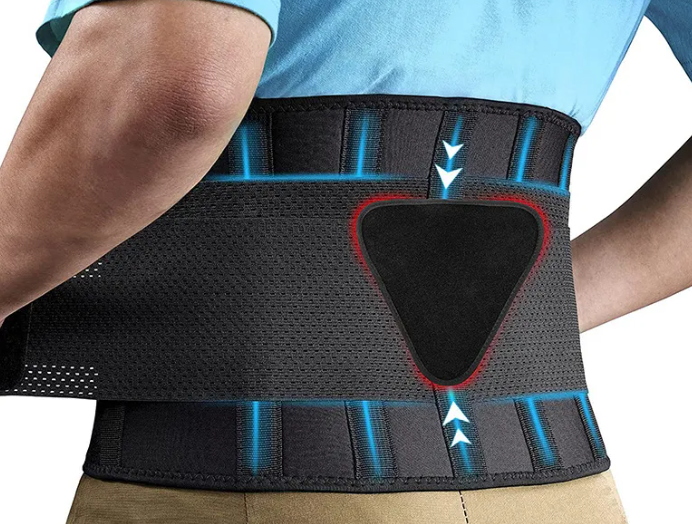
Tips for daily persistence
Every hour of work → Perform a posture self-check to avoid unconsciously slouching or hunching over.
Before meetings or communication → Relax your shoulders and neck for 1 minute to relieve tension and improve mental state.
Wear a posture corrector → Start with short periods and gradually increase the wearing time to develop muscle memory.
Active deep breathing → Expand your chest cavity to enhance your aura and sense of stability.
Using these methods together will allow you to appear energetic and organized in any situation, and no longer easily feel tired or constrained.
Questions about posture correctors
Q:How long to wear the posture corrector?
A: Initially, we recommend 20-30 minutes daily to allow your body to gradually adapt. This can be gradually increased to 1-2 hours, or even full-time work, depending on your comfort level. The key is to start gradually and avoid wearing it for too long at a time to avoid muscle fatigue or discomfort.
Q: Will the brace affect my breathing or movements?
A: The design fits the body’s curves and maintains the natural position of the shoulder blades. Generally, it does not affect my breathing or daily movements. If you feel noticeable discomfort, you can loosen it appropriately or take a short break.
Q: Can it replace stretching and exercise?
A: It can’t completely replace them, but it can be used as an auxiliary tool to make posture more natural and the correction more lasting. It works best when combined with daily stretching and core training.
Summary: From camera anxiety to body confidence
The slumped shoulders of the Zoom era remind us that the camera not only magnifies our images but also the subtle changes in our bodies and minds.
If you find your shoulders unconsciously slumping forward, don’t panic. From focusing on your posture and adjusting your work environment to stretching your muscles andwearing an adjustable posture corrector–comfortable back support—there are viable solutions to help you stand taller and boost your confidence.
What you see on camera isn’t just an image for others; it’s a reflection of your physical condition. Stand tall, relax, and let your Zoom meeting be a platform for your confidence, not a magnifying glass for your anxiety.