Using posture correctors: breaking the chain reaction of long-term body bending

Prolonged sitting, looking down at your phone, or working at a desk can lead to stiff neck, sore shoulders, and a tight back—all signs that your body is accumulating stress. Constantly bending over not only affects posture but can also cause spinal deformities and chronic pain.
Using a posture corrector can help adjust poor posture, scientifically improve hunchback problems, and help your body regain its natural balance and lightness.
Your body is holding a grudge, but you don’t notice it
After sitting for a long time, when you look up, your neck feels stiff, your shoulders ache, and even your breathing feels shallow, as if it’s barely filling your chest. We often attribute these discomforts to “sitting too long” or “poor posture,” but in fact, your body is quietly “holding a grudge.”
Looking down at your phone, hunching over while typing, walking with drooping shoulders—every time you deviate from your posture, you’re sending incorrect instructions to your muscles and spine. Over time, your body will “automatically adapt,” making bad posture the norm, causing you to sit more slouching and walk more crookedly. Even the space for internal organs will be compressed, affecting breathing, digestion, and circulation.
Therefore, when you feel tired, anxious, or have difficulty breathing, don’t immediately blame stress or lack of sleep—the real culprit might be your body’s silent protest: “You never let me stand up straight.” Adjusting your posture is giving yourself a real opportunity to take a deep breath.
The chain reaction of bending over: more than just a body shape problem
Many people underestimate the destructive power of bad posture . It’s not just a loss of temperament, but a systemic impact on your overall health.
1. Structural Misalignment of Muscles and Skeletons:
Prolonged slouching can cause the cervical spine to tilt forward, shoulders to buckle inward, and back muscles to become unbalanced. To maintain balance, the body recruits the wrong muscle groups, which only worsens the situation. Over time, this can lead to chronic shoulder and neck pain, lower back pain, or muscle atrophy.
2. Pressure on the digestive and respiratory systems:
When you hunch your back, your abdomen is compressed, reducing the space in your stomach and intestines, and your digestive function naturally declines. At the same time, chest expansion is restricted, and lung capacity is reduced, leading to shallow breathing and insufficient oxygen supply. The feeling of drowsiness and stuffiness after prolonged sitting is actually partly due to poor breathing.
3. The Hidden Impact of Emotion and Concentration:
Posture not only affects the body but also the mind. Research shows that body posture can negatively impact your mood. People who hunch over are more likely to feel anxious and lack confidence, while straightening their backs sends signals to the brain that promote positivity and a sense of control.
Restarting your body: starting with posture training
The good news is that the body’s “grudges” can also be “reconciled.”
Just as bad habits can be corrected, muscle memory can be rebuilt. The key is to help the body remember the correct way to support itself.
1. Daily Correction: Start with Awareness.
Try taking time every day to self-check: Is your head leaning forward? Are your shoulders hunched inward? Is your back hunched? This self-awareness is the first step to restoring balance.
2. Use scientific aids to reestablish an upright posture.
Here, we must mention a very practical daily aid: a posture corrector .
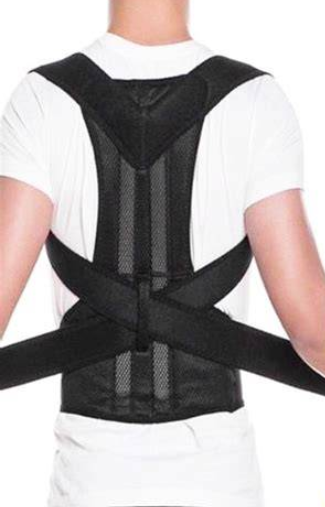
Posture correctors , in particular, are now available on the market. They are lightweight, breathable, and can be worn all day , helping you maintain a naturally upright posture while working, walking, or studying.
They don’t force you to stand upright; instead, they train your body through muscle memory, gradually learning to support itself .
It’s like a gentle “posture coach” who helps you “reset” your posture system without you even realizing it.
Are posture correctors safe?
Posture correctors are safe as long as you choose the right design and wear them correctly.
1. The key is “support, not restriction.”
High-quality posture correctors use elastic straps and a crisscross structure to support the shoulders and back without overly stressing muscles or restricting blood flow. Compared to traditional “shaping braces,” modern versions focus on dynamic support , allowing you to adjust naturally during movement.
2. The recommended wear time.
It is 1-2 hours per day, gradually increasing to no more than 4 hours. It is intended to help you develop posture awareness, not to maintain your posture. Long-term reliance on it can lead to muscle laziness.
3. Combining with exercise for better results .
Using the brace with back stretches and core training can help you regain balance faster.
It’s a tool, not a panacea—but for those who sit for long periods of time or work in offices, it’s an efficient and accessible starting point .
For example, the all-day wear posture corrector–unisex crisscross design with an included extension strap for increased adaptability to different body types. The cross-strap’s biomechanical principles and intelligent adjustment function stabilize the spine and shoulders while maintaining a natural posture, alleviating pain caused by slouching or poor posture.
It’s not just your back that’s straight, it’s also your attitude towards life.
When you rediscover the importance of standing tall, you’ll be surprised to find everything subtly changed: your mood is lighter, your spirit is higher, and your steps become steady and powerful. Posture is not just an outward expression but an inner posture—it tells the world, and it tells yourself, “I can control my life.”
An upright posture is a projection of confidence and a cornerstone of health. We’ve become accustomed to sitting for long periods, hunching over, and slouching, as if our bodies are merely tools for completing tasks, forgetting that they are also containers for emotions. A hunched back isn’t just about the spine; it’s also about suppressed vitality and unexpressed self.
When you’re willing to lift your head, relax your shoulders, and straighten your spine, you open a new channel for yourself: a dialogue between body and mind. No longer letting your body harbor resentment is a profound self-reconciliation and a reshaping of your life’s rhythm. Every time you adjust your posture, you’re telling yourself, “I deserve respect, including respect from myself.”

Summary: The body does not need to be perfect, it just needs to be treated well
Posture problems don’t develop overnight, but when you start paying attention—even if it’s just by wearing a simple, all-day wear posture corrector–unisex crisscross design—you’re helping your body relearn balance.
Standing up straight isn’t about pleasing anyone but about realigning your body and mind.
Let “standing upright” become a philosophy of life—one that’s relaxed, confident, and warm.