Why is it easy to get tired if you have the wrong posture? Models’ body management tips

Models’ elegant posture isn’t innate; it’s the result of long-term, proper body management training. An upright spine and relaxed shoulders and neck effectively distribute body pressure, making each step light and powerful. Conversely, poor posture and forward head posture in daily life overload back muscles, leading to fatigue and soreness.
Want to maintain a great figure as easily as a model? You don’t need to be on the runway. With the active support of a posture corrector and subtle adjustments, you can easily achieve a confident posture that exudes charisma.
Posture is the most neglected “physical energy consumption.”
You might not realize it, but poor posture is quietly stealing your energy. When you hunch your back, slouch, or shrug your shoulders, the natural curve of your spine is disrupted, forcing your body to use extra muscles to maintain balance—these “compensatory muscles” are like background processes on a computer, constantly consuming energy and leaving you feeling exhausted even while sitting.
This is why many people say, “The more I lean back in my chair, the more my body feels like it can’t hold on.” “I sit all day; why am I still so tired?#8221; and “My back still aches after a nap.” The real key is to restore the spine to a neutral position—allowing your bones to bear your weight, your muscles to remain relaxed, and your breathing to be smooth and natural.
Unsure how? Try a posture corrector: it helps you perceive the correct shoulder and back position, reducing unconscious slouching. Long-term use not only improves posture but also gradually increases energy levels, saying goodbye to the feeling of “being tired even while sitting.”
Small changes, restored energy—this is the body’s true “energy-saving mode.”
The secret of models: not forcing, but balance
Many people think that models stand straight because they are “forcing themselves”. In fact, it is quite the opposite. They learn how to find support in relaxation.
Professional model training will make the body aware of:
The head should be “lightly suspended in the air” rather than leaning forward;
The shoulders should drop naturally, rather than being opened deliberately;
The pelvis should be in a neutral position, not tilted anteriorly or posteriorly.
The key to this training logic is to teach your muscles the correct alignment.
When your muscles automatically work with your bones, your body saves effort. It’s like a well-tuned machine, eliminating the need for manual fine-tuning every time.
In daily life, posture is the “savings account of body shape”
If you compare your body to a bank account, then your posture is the interest you accumulate daily.
Looking down at your computer for long periods? Your body will become overly fatigued.
Scrolling through your phone while lying down? Your cervical spine is sending warning signals.
Walking with a hunched back? Your breathing will become shallow, and your metabolism will slow down.
When you consciously practice correct posture—such as maintaining a neutral spine when sitting, tucking in your stomach and lifting your shoulders when walking, and distributing pressure to the three points on the soles of your feet when standing—you will find that your back is straighter, your lines are smoother, and your overall energy and spirit improve. Combined with a posture corrector, it gently reminds you that “your body is off-center,” helping you awaken from unconscious bad posture and making posture management easy and effective.
Beautiful posture is no longer about posing for photos, but a natural state from deep within your bones. This is the ultimate value of posture training.
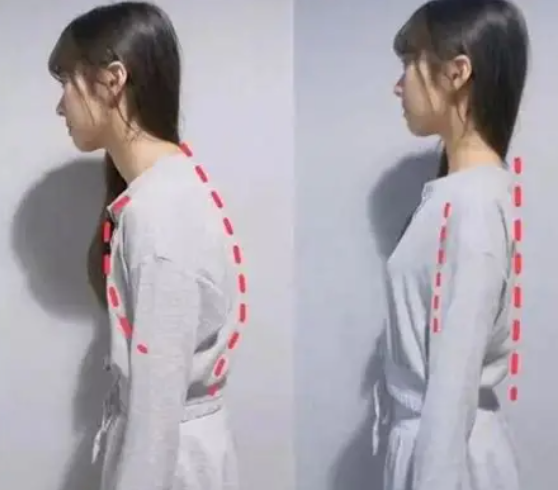
How to manage your posture like a model?
Don’t worry, you don’t need to walk the runway. Just add a few small actions to your daily life, and your body will gradually “recalibrate”:
Extend and lower your shoulders : Stand in front of a mirror every day, gently open your chest, hold for 10 seconds, and let your shoulder blades remember the correct position.
Tighten your core and lift your abdomen slightly : Don’t suck in your stomach, but feel your navel moving closer to your spine to help stabilize your spine.
Keep your head up while walking : keep your eyes level and focused on the distance so that your cervical spine is no longer “compressed.”
Seated exercise : Keep your buttocks against the back of the chair, place your feet flat on the ground, and avoid crossing your legs.
These seemingly simple habits are actually daily posture training. You can also use a posture corrector as needed. After a period of consistent practice, you’ll find your back is more supported and fatigue is reduced.
Invisible helper: stand up straight and feel relaxed
Of course, modern people spend extended periods of time sitting at work or using computers, making it difficult to correct these issues solely through self-conscious effort.
In this case, stand tall, feel light – the invisible corrector can help you maintain your posture. Unlike traditional rigid braces, they provide gentle support, allowing the body to “remember” the correct standing and sitting posture.
When worn, it is almost invisible and can naturally fit the lines of your back;
After use, the muscles gradually adapt to the correct force points, allowing you to stay upright unconsciously.
As models often say backstage, “I’m not forcing myself to be straight; I’m just used to it.”
From tired to light—your posture is also a life attitude
When you start paying attention to your posture, you change not only your body but your mindset as well.
When you straighten your back, you’re not only relaxing your back muscles; you’re also declaring to yourself, “I’m taking myself seriously.”
You’ll find that your body becomes lighter and your emotions become more stable.
Fatigue from prolonged sitting decreases, your mind becomes more focused, and even your breathing becomes deeper and smoother.
This is the “chain reaction” of model-like body management—a confidence that emanates from within.
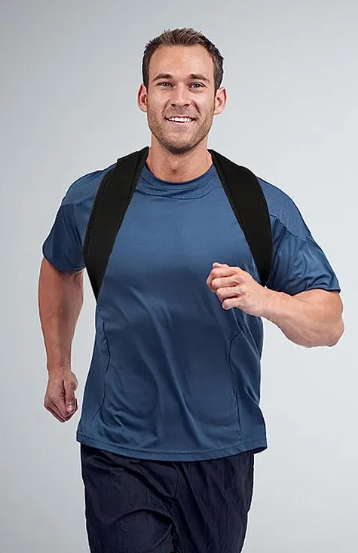
Are posture correctors good for your back?
Many people worry that posture correctors will make them “dependent” or make muscles lazy. In fact, if you choose a light-support invisible brace , its role is more like a “reminder” rather than a “takeover.”
As you wear it, your back muscles will gradually learn the correct way to exert force, which will actually enhance support over the long term.
The key is to proceed step by step : start with one hour of wear time per day and gradually increase it to allow your body to gradually adapt.
Combined with basic stretching and muscle activation exercises, the brace can be a gentle and effective posture aid, making your back more stable, straighter, and more relaxed.
Summary : It’s not just your back that’s straight, it’s also your attitude towards life
Good posture is the most underestimated beauty.
It doesn’t require heavy makeup or filters, yet it can showcase strength, elegance, and confidence in every movement.
Whether you are a model or not, you can make your body the best ‘business card.’
Starting today, a small posture aid tool to straighten your waist and feel relaxed – an stand tall, feel light – the invisible corrector, combined with a model-style training concept, allows you to bid farewell to shoulder, neck, waist, and back fatigue, and also allows confidence and aura to naturally manifest.